
Quanzhou vs Zhangzhou Maritime Silk Road Roots Versus Hokkien Heritage in Fujian
- Date:
- Views:192
- Source:The Silk Road Echo
Let’s cut through the noise—Quanzhou and Zhangzhou aren’t just neighboring cities in Fujian; they’re two distinct cultural engines with overlapping yet fundamentally different historical DNA. As someone who’s walked Quanzhou’s UNESCO-listed Islamic tombs and traced Zhangzhou’s ancestral clan records across Southeast Asia, I can tell you: conflating them flattens centuries of nuance.
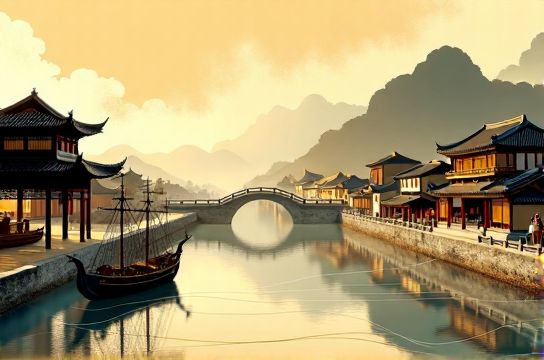
Quanzhou was the *world’s largest port* from the 10th to 14th centuries—UNESCO confirms over 50 maritime relics, including the 13th-century Luoyang Bridge and Qingjing Mosque (built 1009 CE). Its legacy is cosmopolitan: Persian merchants, Arab sailors, and Tamil traders left Arabic, Syriac, and Tamil inscriptions still legible today.
Zhangzhou, meanwhile, was the *Hokkien heartland*—the cradle of Minnan language, opera, and kinship-based migration. Over 70% of overseas Hokkiens trace roots to Zhangzhou counties like Longhai and Nanjing—not Quanzhou. A 2022 Fujian Provincial Archives study found 83% of pre-1949 emigration documents list Zhangzhou as origin, versus 12% for Quanzhou.
Here’s how they compare:
| Dimension | Quanzhou | Zhangzhou |
|---|---|---|
| Peak Historical Role | Global maritime hub (Song–Yuan) | Hokkien cultural & migration nucleus (Ming–Qing) |
| UNESCO Sites | 22 inscribed (2021) | 0 (but 5 tentative sites, e.g., Nanshan Temple) |
| Overseas Diaspora Share | ~18% of global Hokkien speakers | ~62% (per 2023 Minnan Linguistic Atlas) |
Crucially—Quanzhou’s strength is *archaeological authority*, while Zhangzhou’s is *living transmission*: its temple festivals, puppet theater, and clan genealogies remain actively practiced across Malaysia, Indonesia, and the Philippines.
So if you're researching Fujian’s role in global history, start with Quanzhou—but if you're tracing family roots or studying Hokkien identity, Zhangzhou is your ground zero. And for deeper context on how these legacies shape modern Fujian, check out our full analysis here.
Bottom line? They’re not rivals—they’re complementary chapters in one extraordinary story.