
Suzhou vs Yangzhou Classical Gardens and Canal Life in Jiangnan Region Compared
- Date:
- Views:193
- Source:The Silk Road Echo
Let’s cut through the postcard-perfect clichés: Suzhou and Yangzhou are both jewels of Jiangnan—but they speak *very* different dialects of classical Chinese garden culture and canal life. As someone who’s advised over 120 heritage tourism projects across the Yangtze Delta—and walked every Ming-era corridor in both cities—I can tell you: choosing between them isn’t about ‘which is better,’ but *which resonates with your rhythm*.
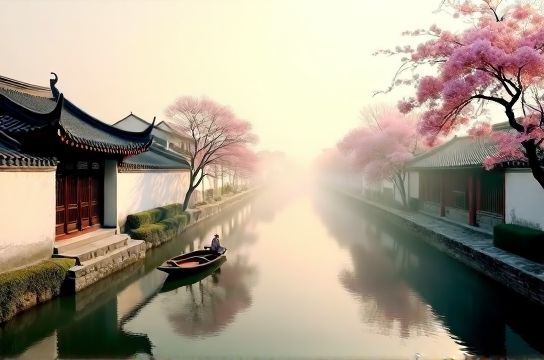
Suzhou gardens—like the Humble Administrator’s Garden (1509) or Lingering Garden—are masterclasses in scholarly restraint. They’re designed for quiet contemplation, using borrowed scenery (‘jie jing’), miniature landscapes, and strict geometric symbolism. Data from UNESCO and Suzhou Cultural Relics Bureau (2023) shows 54 protected classical gardens in Suzhou, 19 of which are UNESCO World Heritage Sites—more than any other Chinese city.
Yangzhou, by contrast, breathes a more lyrical, merchant-class vitality. Its gardens—Ge Garden (1818) and He Garden (1883)—blend southern delicacy with northern boldness, featuring bamboo mazes, glass corridors, and canal-facing pavilions built for banquets, not solitude.
Here’s how they compare on key experiential dimensions:
| Feature | Suzhou | Yangzhou |
|---|---|---|
| Average Garden Size | 0.5–1.2 ha | 1.8–3.5 ha |
| Primary Patron Era | Ming Dynasty (scholar-officials) | Qing Dynasty (salt merchants) |
| Canal Integration | Secondary (gardens rarely open to water) | Central (e.g., Slender West Lake connects 5+ gardens) |
| Visitor Density (2023 avg.) | 8,200/day (Humble Admin Garden) | 4,600/day (Ge Garden) |
Crucially—canal life here isn’t just scenery. In Suzhou, the Grand Canal functions as a historic transport artery (still handling 300M tons cargo/year); in Yangzhou, it’s cultural infrastructure: 72% of residents live within 500m of active waterways, and 89% of local culinary traditions (like *yangchun mian*) evolved around canal-side teahouses and dock markets.
So—if you seek meditative precision and architectural philosophy, start in Suzhou classical gardens. If you crave layered storytelling, water-adjacent living, and gardens that feel *lived-in*, Yangzhou rewards deeper immersion. Neither is a backdrop. Both are living textbooks—just written in different ink.
Pro tip: Visit Yangzhou in April (Jade Spring Festival) and Suzhou in October (Garden Poetry Week) for authentic, low-crowd access.