
Navigate China City Guide Tips for Exploring Hidden Buddhist Shrines
- Date:
- Views:229
- Source:The Silk Road Echo
Thinking about wandering off the beaten path in China? Skip the crowded Forbidden City selfies and head straight to the misty mountain trails where ancient Buddhist shrines whisper secrets of emperors, monks, and centuries-old enlightenment. Welcome to your ultimate city-by-city guide to uncovering China’s most hidden Buddhist gems—places where incense still curls through wooden eaves and silence feels sacred.
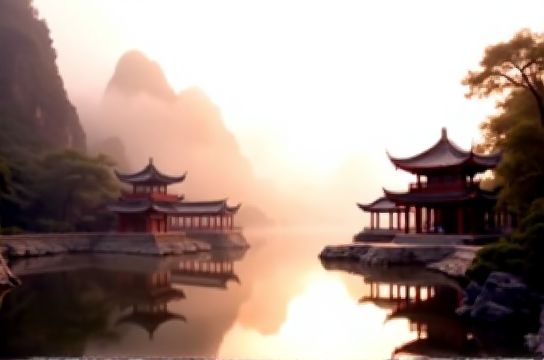
Why Bother with Hidden Shrines?
Mainstream temples are impressive, sure—but they’re packed. The real magic? It’s tucked into fog-draped hills and forgotten alleyways. These lesser-known sites offer authenticity, tranquility, and a deeper connection to China’s spiritual roots. Plus, they make for killer Instagram stories (with zero selfie sticks).
Top 4 Cities & Their Secret Shrines
Let’s dive into four cities where urban hustle meets Zen calm—and discover the quiet sanctuaries hiding in plain sight.
| City | Hidden Shrine | Best Time to Visit | Entry Fee (CNY) |
|---|---|---|---|
| Hangzhou | Lingyin Temple Cave Complex | March–May | 45 |
| Chengdu | Zhaohui Temple | April–June | Free |
| Dali | Cangshan Mountain Hermitage Temples | September–November | 30 |
| Xian | Jianfu Temple | October–December | 25 |
Hangzhou: Where Nature Meets Nirvana
You know West Lake. But have you trekked behind it? Lingyin Temple is famous—but few explore its back-cave network carved into Feilai Feng (‘Flying Peak’). Over 300 Buddhist carvings from the 10th century hide here, some so weathered they look like dreams half-remembered. Pro tip: Go at dawn. Mist floats like prayers, and you’ll have the stone Buddhas all to yourself.
Chengdu: The Zen Hideout Behind Panda HQ
Yes, pandas rule. But slip away to Zhaohui Temple, nestled near Qingcheng Mountain. This 1,300-year-old gem is rarely listed in tour books. Monks still chant at 5 AM, and the courtyard lotus pond reflects the sky like a mirror of mindfulness. Bonus: It’s free, peaceful, and smells like sandalwood and rain.
Dali: Climb Into the Clouds
In Yunnan’s Dali, escape the tourist-packed Erhai Lake and hike Cangshan’s lower slopes. Tiny hermitage temples dot the trail—some home to just one monk. Locals call them ‘cloud dwellings.’ Bring warm clothes; altitude hits fast. The view? Snow-capped peaks framing golden Buddha statues. Pure poetry.
Xian: Beyond the Terracotta Army
Everyone flocks to see Qin Shi Huang’s army. But Jianfu Temple, just south of the city wall, is a quiet masterpiece. Founded in 684 AD, it once housed sacred sutras brought from India by Xuanzang—the real-life inspiration for *Journey to the West*. Today, it’s serene, scholarly, and stunningly preserved. Few tourists, maximum vibes.
Travel Tips Like a Local Monk
- Dress modestly: Shoulders and knees covered. No flip-flops inside halls.
- Bring cash: Many small temples don’t accept digital payments.
- Whisper: Silence isn’t just polite—it’s part of the practice.
- Visit early: Beat crowds and catch morning rituals.
Exploring hidden Buddhist shrines in China isn’t just travel—it’s a slow journey inward. So ditch the checklist. Breathe deep. Let the gongs guide you. These quiet corners aren’t just surviving history—they’re living it.