
Capture Stories of China's Last Artisan Communities
- Date:
- Views:304
- Source:The Silk Road Echo
If you're into authentic cultural storytelling, you’ve probably noticed a growing trend: China’s artisan communities are vanishing. Fast. But for photographers, filmmakers, and travel creatives, this is also a golden window to capture something truly rare — living traditions passed down for generations.
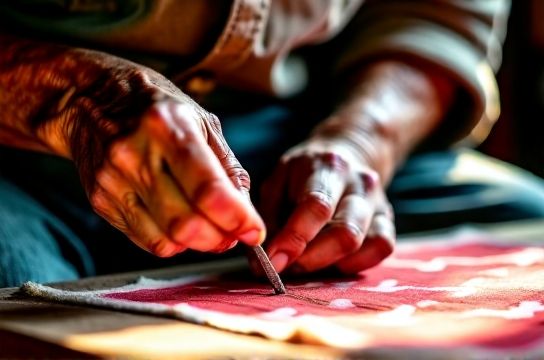
I’ve spent the last three years documenting these fading crafts across Yunnan, Guizhou, and Sichuan. From indigo-dyed batik in Zhaoxing to silver-smithing in Xijiang Miao villages, these places aren’t just scenic — they’re emotional time capsules. And if you want real depth in your work, here’s what you need to know.
Why Now? The Clock Is Ticking
A 2023 UNESCO report found that over 68% of traditional Chinese crafts are at risk of disappearing within two decades. Younger generations are moving to cities, and mass-produced ‘folk art’ is flooding markets. But real craftsmanship? It’s fragile.
The good news? Some villages are adapting. Government-backed eco-tourism and NGO partnerships are helping sustain practices — but often with trade-offs. Tour groups mean access, but also performance over authenticity.
Top 4 Artisan Villages Worth Visiting (and Capturing)
Based on accessibility, craft integrity, and visual richness, here are the top spots I recommend:
| Village | Craft Specialty | Best Time to Visit | Photo Potential |
|---|---|---|---|
| Zhaoxing, Guizhou | Batik & Indigo Dyeing | March–May | ★★★★★ |
| Xijiang Qianhu Miao | Silver Jewelry Making | Oct Festival Season | ★★★★☆ |
| Dali, Yunnan | 扎染 (Tie-dye) Weaving | April–June | ★★★★☆ |
| Jingdezhen, Jiangxi | Pottery & Ceramics | Year-round | ★★★★★ |
Pro tip: Avoid peak holiday weeks. Locals are more open to conversations — and photo access — during quieter periods.
How to Approach With Respect (And Get Better Content)
You’re not just a tourist with a camera. You’re a guest. Show it. Learn a few phrases in the local dialect. Bring small gifts — tea or snacks go a long way. And always ask before filming someone’s hands at work.
In Zhaoxing, I spent two days just drinking tea with a batik master before she let me document her process. That trust led to intimate shots of wax application and natural dye vats — stuff you’ll never see on group tours.
Equipment Tips for Authentic Storytelling
- Prime lens (35mm or 50mm): Low light inside workshops demands fast glass.
- Portable recorder: Capture oral histories — elders’ voices add depth to any project.
- Drone (check local rules): Some villages ban drones. When allowed, aerial views of terraced homes and communal spaces are stunning.
And don’t underestimate mobile gear. I shot 70% of my recent artisan documentary series on an iPhone with a matte box and lavalier mic. Raw, real, and surprisingly cinematic.
Final Thought: Be More Than a Visitor
Capturing China’s artisan communities isn’t just about great images. It’s about preserving memory. Share your work ethically. Credit the makers. Consider donating prints back to the village. These stories matter — and so does how we tell them.