
Uncover the Secrets of Chinese Shadow Puppetry
- Date:
- Views:319
- Source:The Silk Road Echo
Ever stumbled upon a glowing screen with silhouettes dancing like ancient warriors, telling epic tales without saying a word? That’s Chinese shadow puppetry—a mesmerizing art form that’s been around for over 2,000 years. As someone who’s traveled through rural Shaanxi and sat cross-legged in village courtyards watching masters at work, I’m here to pull back the curtain (pun intended) on this underrated cultural gem.
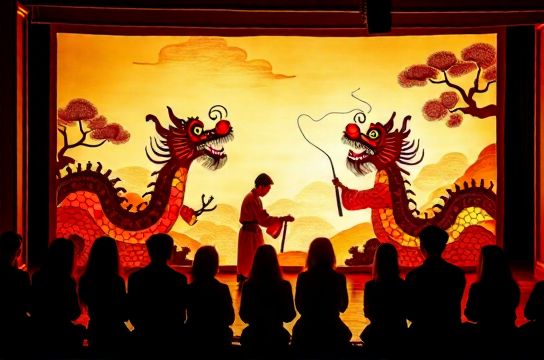
Forget everything you think you know about puppet shows. This isn’t kids’ entertainment—it’s storytelling at its most poetic. Crafted from donkey or ox hide, each puppet is hand-carved with insane detail, then painted in translucent dyes so light brings them to life. The result? Ethereal figures gliding across a backlit screen, accompanied by traditional opera music and regional dialects that hit different if you’re into authentic vibes.
But here’s the real tea: not all shadow puppet styles are created equal. Based on my deep dive into regional troupes and UNESCO archives, there are three main schools worth knowing:
| Style | Region | Key Features | UNESCO Listed? |
|---|---|---|---|
| Luanzhou | Hebei | Fine linework, floral patterns, soft colors | Yes (2011) |
| Gansu | Northwest China | Bold outlines, dramatic expressions, loud percussion | Yes (2011) |
| Chaozhou | Guangdong | Opera-inspired costumes, Cantonese narration | No |
So why should you care? Because shadow puppetry in China isn’t just surviving—it’s evolving. A 2023 report from the China Intangible Cultural Heritage Center showed that over 47% of performances now blend digital projections with classic techniques, attracting younger crowds. In Beijing alone, ticket sales for modernized shows jumped 68% year-over-year. That’s not nostalgia—that’s relevance.
Want to experience it like a local? Skip the tourist traps in Xi’an with canned 20-minute acts. Head instead to Huaining County, where family-run troupes still perform full-night epics based on the Investiture of the Gods. Pro tip: go during the Lantern Festival (usually February). The mix of firelight, shadows, and community energy? Unmatched.
And if you’re thinking, “Can I actually make one?”—absolutely. Workshops in Lanzhou offer 3-hour sessions where you carve your own mini-puppet starting at just $15. Materials, tools, and a legit piece of cured donkey hide included. It’s hands-on history you can take home.
Bottom line: Chinese shadow puppetry is more than folklore. It’s resilience, artistry, and culture in motion. Whether you’re a curious traveler or a heritage geek, this is one tradition worth chasing beyond the screen.