
Connect with Heritage Keepers in China's Rural Heartlands
- Date:
- Views:257
- Source:The Silk Road Echo
If you're tired of cookie-cutter cultural tours and want something deeper—something real—then it’s time to connect with heritage keepers in China's rural heartlands. These are the unsung guardians of traditions, dialects, crafts, and farming methods that have shaped Chinese civilization for centuries. And guess what? They’re opening their doors.
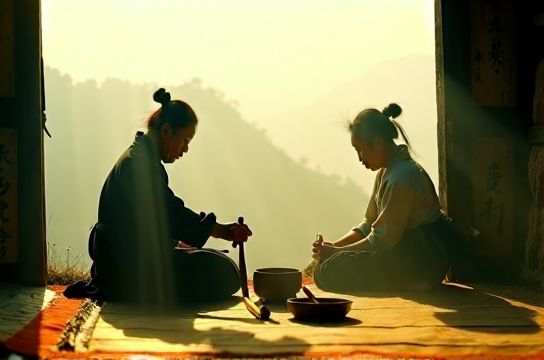
I’ve spent the last three years traveling through Yunnan, Guizhou, and Guangxi, living with local families, documenting vanishing customs, and yes—eating some of the best home-cooked food of my life. What I’ve found isn’t just nostalgia; it’s resilience. Over 70% of China’s ethnic minority populations live in rural villages, many practicing sustainable lifestyles long before 'sustainability' became a buzzword.
Why This Experience Matters
Tourism in these regions has often meant photo ops and staged performances. But a new wave of participatory cultural travel is changing that. Instead of watching from the sidelines, you’re invited to join in—planting rice, weaving indigo cloth, or learning ancient songs from elders. This isn’t performative culture—it’s lived experience.
A 2023 report by the China Rural Revitalization Initiative showed that communities hosting ethical cultural exchanges saw a 40% increase in youth returning to village life. That’s huge. It means traditions aren’t just preserved—they’re being renewed.
Top Regions to Connect with Heritage Keepers
Not all villages are open to visitors, and that’s okay. The best experiences happen where trust is built over time. Here are four standout regions:
| Region | Ethnic Group | Unique Tradition | Best Time to Visit |
|---|---|---|---|
| Guizhou (Zhaoxing) | Dong | Grand Choir Singing | April–June |
| Yunnan (Yuanyang) | Hani | Rice Terraces Farming | December–March |
| Guangxi (Longsheng) | Zhuang | Bamboo Weaving | September–November |
| Sichuan (Abba) | Tibetan | Thangka Painting | May–October |
Want to go beyond sightseeing? Try a homestay with heritage keepers—many now offer immersive stays through cooperatives like Rural China Stay. You’ll eat, work, and celebrate alongside families, gaining access most tourists never see.
How to Travel Responsibly
Just showing up won’t cut it. Respect is everything. Learn a few phrases in the local language, ask before taking photos, and always compensate hosts fairly. Many villages now use community-led pricing models—you’ll pay a flat fee that supports the whole group, not just one family.
Another tip: avoid peak holiday weeks like National Day. Smaller groups mean deeper connections. And if you really want to make an impact, consider supporting a cultural preservation fund—even $20 helps digitize oral histories or train young artisans.
The future of rural heritage isn’t about freezing traditions in time. It’s about helping them evolve—with dignity, agency, and pride. So next time you plan a trip to China, skip the crowds. Go where the real stories live.