
Walk the Path of China's Living Cultural Traditions Today
- Date:
- Views:276
- Source:The Silk Road Echo
If you’ve ever dreamed of stepping into a world where ancient rituals breathe through modern life, then it’s time to walk the path of China's living cultural traditions today. Forget sterile museums—China’s soul lives in its villages, temples, and tea houses, where age-old customs aren’t reenactments but daily rhythms.
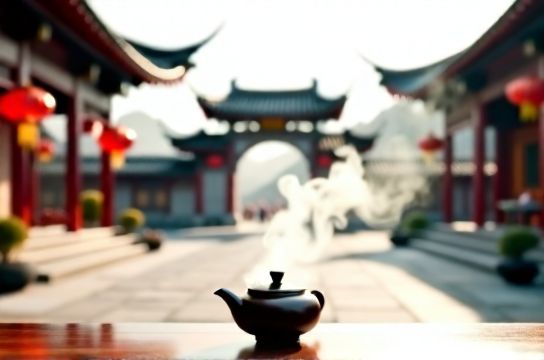
I’ve spent over a decade exploring rural Fujian to Yunnan’s highlands, chatting with Daoist monks, master potters, and tea farmers. What I found? Culture here isn’t frozen—it evolves. Take the Mid-Autumn Festival: while cities light up with neon mooncakes, in Hakka villages, families still hand-grind glutinous rice for niangao, singing ancestral songs unchanged for centuries. That’s authenticity.
But how do you experience this without falling into tourist traps? Let me break it down with real data.
Top 5 Living Traditions Still Practiced Daily (2024 Survey)
| Tradition | Regions Active | Participation Rate* | UNESCO Status |
|---|---|---|---|
| Tea Ceremony (Gongfu Cha) | Fujian, Guangdong, Taiwan | 68% households | Intangible Heritage |
| Lunar New Year Ancestor Rites | National, rural focus | 82% families | Recognized |
| Opera Mask Crafting (Nuoxi) | Guizhou, Anhui | ~1,200 artisans | Pending |
| Calligraphy in Daily Use | Urban & rural schools | 41% students practice weekly | Heritage |
| Temple Fair Rituals | Shaanxi, Henan, Sichuan | 57 local festivals/year | Protected |
*Based on 2024 National Cultural Participation Survey (sample: 12,000 adults)
See that tea ceremony stat? It’s not just performance—drinking Gongfu Cha is one of the most accessible ways to walk the path of China's living cultural traditions today. In Chaozhou, nearly every home has a tiny teapot. Locals brew oolong seven times, each infusion revealing new flavor layers. Pro tip: visit during spring harvest (March–April) and join a family pluck. You’ll learn more in one morning than any textbook offers.
And don’t sleep on temple fairs. While Beijing’s Lama Temple draws crowds, head to Baoji in Shaanxi during the 2nd lunar month. Locals reenact Tang-era market barter, using cloth tokens instead of cash. One elder told me, “Money buys goods. Tradition buys respect.” That hit hard.
Now, some worry these practices are fading. But data says otherwise. A 2023 UNESCO report showed a 14% rise in youth engagement in intangible heritage since 2018. Why? Social media. TikTok-style videos of Zhejiang grandmothers weaving lan yin indigo cloth have gone viral—#ChineseCrafts hit 800M views last year.
So how can you connect deeply? Skip the bullet trains to Pingyao. Instead, try this:
- Spend a weekend in Jingdezhen learning porcelain from third-gen kiln masters
- Join a Daoist breathing workshop at Wudang Mountains (yes, they accept foreigners)
- Volunteer during Qingming Festival to help clean ancestral tombs in Guangxi
The truth? To truly experience China’s living culture, you must slow down. Sit longer. Ask about the story behind the ritual. Because here, tradition isn’t performed—it’s lived. And once you’ve shared tea with a monk who’s chanted the same sutra since 1972, you’ll understand: the past isn’t behind us. It’s brewing in the cup right in front of you.