
Try Your Hand at Dongba Paper Making in Yunnan Mountains
- Date:
- Views:395
- Source:The Silk Road Echo
If you're hunting for a truly authentic cultural experience in China, skip the crowded tourist traps and head to the remote villages of Yunnan—specifically, the Naxi communities around Lijiang and Baisha. There, nestled in the Himalayan foothills, you can try your hand at Dongba paper making, one of the oldest surviving handmade paper traditions in the world.
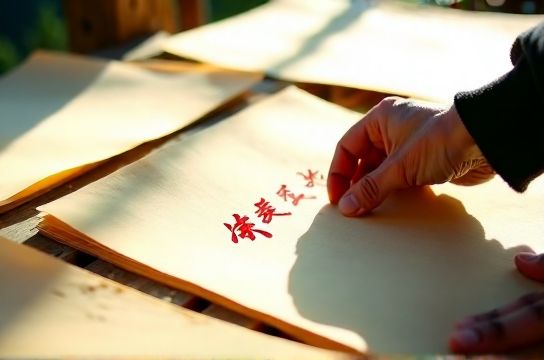
Originating over 1,000 years ago, Dongba paper was developed by the Naxi people’s Dongba priests for religious scriptures. Made from the bark of the Daphne shrub (locally known as Shuima), this durable, insect-resistant paper has survived centuries thanks to its simple yet ingenious process.
Why is this more than just a craft demo? Because unlike mass-produced souvenirs, real Dongba paper carries spiritual and ecological wisdom. The entire process is chemical-free, sun-dried, and deeply tied to Naxi cosmology. And yes—you can actually make it yourself.
How Dongba Paper Is Made: Step-by-Step
During my visit to a family-run workshop in Baisha, I joined a half-day session that walked us through every stage. Here’s how it breaks down:
| Step | Process | Time Required | Key Detail |
|---|---|---|---|
| 1 | Harvesting Bark | 30 min | Only young Daphne branches collected in spring |
| 2 | Boiling & Scraping | 2–3 hours | Wood ash used as natural softener |
| 3 | Pulping | 45 min | Hand-beaten with wooden mallets |
| 4 | Sheet Formation | 15 min per sheet | Using a bamboo screen & water suspension |
| 5 | Drying | 1–2 days | Natural sunlight; no machines |
The result? A creamy, textured sheet that yellows slightly with age but resists mold and bugs—perfect for calligraphy or art. UNESCO recognized Dongba manuscripts as Intangible Cultural Heritage in 2003, and part of that legacy lives on in the paper itself.
Where to Try It Yourself
The best hands-on experiences are in Baisha Village, just north of Lijiang. I recommend the Dongba Paper Workshop run by Master He Wenjun, a third-generation artisan. His 2-hour class (about ¥80/person) includes pulp-making, sheet casting, and even basic Naxi symbol writing.
Pro tip: Go in the morning when the light is best for drying sheets. And bring cash—most small studios don’t take digital payments.
Why This Beats Typical Tourist Crafts
You’ve seen the knockoffs—machine-made “handicrafts” sold in city markets. Real Dongba paper is different. According to a 2022 Yunnan Cultural Bureau report, fewer than 20 families still practice traditional methods. Each sheet supports biodiversity (the Daphne shrub is wild-harvested sustainably) and preserves a dying language.
Plus, it makes an unforgettable souvenir. I framed mine with a pressed local flower—simple, meaningful, and totally unique.
So if you’re looking to move beyond photos and food tours, roll up your sleeves. In the quiet mountains of Yunnan, you don’t just observe culture—you help keep it alive, one handmade sheet at a time.