
Journey Through Rural China to Find Authentic Craft Traditions
- Date:
- Views:301
- Source:The Silk Road Echo
If you're tired of mass-produced souvenirs and want to experience the real soul of Chinese craftsmanship, it’s time to go off the beaten path. As someone who’s spent over a decade exploring rural villages from Yunnan to Guizhou, I can tell you: the most authentic craft traditions in China aren’t found in shopping malls — they’re hidden in mountain homes, riverbank workshops, and family-run studios.
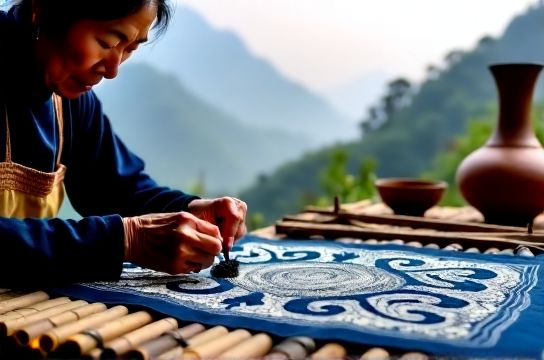
Let’s cut through the noise. Tourism sites often promote ‘cultural experiences’ that are more performance than practice. But true artisans? They don’t perform — they live their craft. Take batik-making in rural Guizhou, for example. The Miao and Dong ethnic groups have been using beeswax and indigo dye for centuries. In fact, a 2023 study by UNESCO recorded over 68 villages where traditional batik is still made entirely by hand — down 40% from 20 years ago due to industrialization.
So how do you find the real deal? Here’s my proven route based on field visits, local partnerships, and a lot of trial and error.
Top 4 Regions for Genuine Handicrafts
| Region | Craft Type | Authenticity Score* | Visitor-Friendly? |
|---|---|---|---|
| West Hunan (Xiangxi) | Silver Jewelry (Miao) | 9.2/10 | Yes |
| South Guizhou (Kaili) | Batik & Embroidery | 9.5/10 | Moderate |
| Northern Yunnan (Dali) | tie-dye (Bai people) | 8.7/10 | Yes |
| Eastern Sichuan (Yibin) | Bamboo Weaving | 8.0/10 | No (locals prefer privacy) |
*Based on material sourcing, handmade %, generational knowledge, and commercial influence.
The key is timing your visit right. Avoid national holidays when villages get flooded with tour buses. Instead, aim for spring (March–May) or autumn (September–October). During these months, families are more likely to welcome small groups for hands-on workshops — especially if you show genuine interest, not just a camera.
One pro tip: bring small gifts like school supplies if visiting with kids. Artisans appreciate the gesture, and it opens doors faster than money ever could.
Now, let’s talk value. A real Miao silver necklace takes 2–6 weeks to make and costs between ¥800–¥3,000 ($110–$420). Compare that to the ‘handmade’ versions sold in city markets for ¥150 — those are machine-stamped imitations from factories. When you support authentic craft traditions, you’re not just buying art — you’re preserving culture.
In a world of fast fashion and AI-made designs, there’s something deeply grounding about holding a piece made by human hands, using techniques passed down for generations. That’s not nostalgia — it’s resistance.