
Beyond the Great Wall: Uncovering China’s Hidden Cultural Landscapes
- Date:
- Views:269
- Source:The Silk Road Echo
When most people think of China, their minds jump straight to the Great Wall, pandas, or maybe dim sum in a bustling Hong Kong teahouse. But let’s be real—China is way more than its postcard hits. If you dig a little deeper (and by that, we mean swap the tourist crowds for dusty backroads and local whispers), you’ll find a country bursting with cultural gems that rarely make the Instagram feeds.
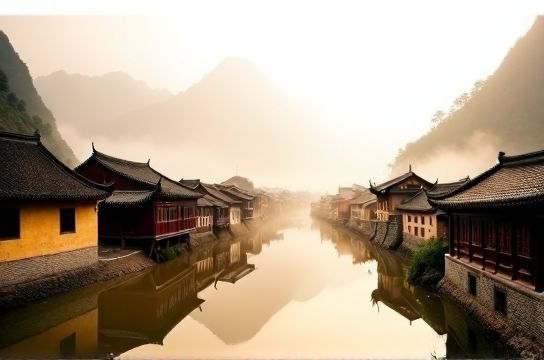
Take the ancient town of Fenghuang, tucked away in Hunan Province. This isn’t just another old town with lanterns and cobblestones—though yes, it’s got those too. It’s a living, breathing slice of Miao and Tujia heritage, where elders still wear hand-embroidered clothes and kids learn folk songs passed down for generations. The沱江 (Tuojiang) River winds through like a silver ribbon, reflecting stilted wooden homes that look like they’ve stepped out of a dream. And the best part? You won’t need to elbow your way through selfie sticks to enjoy the view.
Then there’s Pingyao—an entire walled city frozen in time. Forget Disneyland-level reconstructions; this place has actual history oozing from its brick alleyways. Once a financial hub during the Qing Dynasty, Pingyao was basically the Wall Street of its day. Walk its streets and you’ll pass old bank vaults turned museums, Confucian temples, and courtyards where merchant families plotted their next big deal over tea. At night, when the day-trippers leave, the lanterns glow warm and the city feels almost… magical.
But culture in China isn’t just about old towns and temples. Head to Yunnan, where ethnic diversity explodes like a firework. In places like Xishuangbanna, you’re not just visiting—you’re joining festivals where Dai people splash water for luck, dance under banana leaves, and serve sticky rice in bamboo tubes. It’s vibrant, messy, and totally unforgettable.
And can we talk about food beyond dumplings? Sure, Beijing duck is iconic—but try hand-pulled noodles in Lanzhou, smoky cumin lamb in Xinjiang, or sour fish soup in Guizhou. Each region tells its own story through flavor, shaped by climate, trade, and centuries of tradition.
The truth is, China’s soul doesn’t live in guidebooks. It’s in the quiet moments: a grandmother rolling baozi at dawn, a monk ringing a temple bell in the mist, or a farmer tending terraced fields that cascade down mountains like green stairs.
So yeah, the Great Wall is cool. But if you really want to *get* China, go beyond the icons. Talk to locals. Get lost. Taste things you can’t pronounce. That’s where the real magic hides.