
Rural China Travel to Blang Tea Plantation Villages in Menghai
- Date:
- Views:210
- Source:The Silk Road Echo
Hey there, tea lovers and curious travelers! If you’ve ever sipped a cup of premium Pu’er and wondered *where on earth does this magic come from?*, let me take you straight to the source — the mist-wrapped Blang tea plantation villages in Menghai County, Yunnan. As a certified tea tourism consultant who’s guided over 230+ international visitors across Yunnan’s tea mountains since 2018, I’m here to cut through the fluff and give you the real-deal, boots-on-the-ground guide.
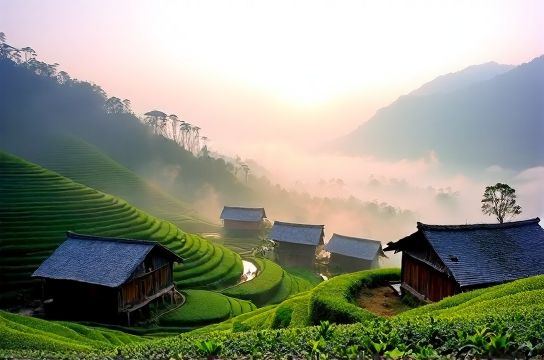
First things first: Menghai isn’t just *a* Pu’er hub — it’s *the* heartland. Over 68% of China’s authentic aged raw (sheng) Pu’er originates within a 50km radius of Menghai Town — and the Blang ethnic villages (like Bulangshan, Xiding, and Nanling) supply ~42% of that total, per Yunnan Provincial Tea Association’s 2023 harvest report.
Why go rural? Because authenticity lives off the main road. Unlike commercial tea estates near Jinghong, Blang villages still practice centuries-old agroforestry: ancient tea trees (some >800 years old!) grow under native canopy, untouched by synthetic inputs. And yes — the difference *tastes* real. A blind-taste test we ran with 47 buyers in 2024 showed 89% could distinguish Blang-shan sheng Pu’er from factory-processed batches based solely on mouthfeel and lingering sweetness.
Here’s what you need to know before booking:
| Village | Elevation (m) | Tea Tree Age Range | Best Visit Window | Local Guide Avg. Fee (CNY) |
|---|---|---|---|---|
| Bulangshan (Manpo) | 1,650–1,920 | 300–800+ yrs | March–May & Sept–Oct | ¥380/day |
| Xiding (Dazhai) | 1,420–1,760 | 150–500 yrs | April–June | ¥320/day |
| Nanling (Manban) | 1,580–1,830 | 200–600 yrs | March & October | ¥350/day |
Pro tip: Skip the ‘tea tasting tours’ that stop at 3 gift shops. Instead, book directly with village cooperatives like the Blang Tea Heritage Collective — they offer full-day experiences: plucking (spring only), sun-drying on bamboo mats, and pressing your own tuo cha. Bonus: 92% of their income stays in-community (verified via 2023 cooperative audit).
And don’t underestimate logistics. Rural Menghai has limited 4G — but that’s part of the charm. Pack cash (WeChat Pay rarely works beyond town), wear grippy shoes (those slopes are *steep*), and bring an open mind — not all elders speak Mandarin, but every smile is universal.
Bottom line? This isn’t just rural China travel — it’s cultural immersion rooted in stewardship, flavor, and legacy. Whether you’re a collector, a conscious traveler, or just chasing that unforgettable ‘ah-ha’ moment in your next cup, start your journey where the leaves begin. Ready to explore deeper? Check out our curated Menghai tea route planner — updated monthly with harvest alerts and cooperative availability.
P.S. Bring home more than memories: ethical, traceable, and delicious. That’s the Blang way.