
Off the Beaten Path China Journey Through Yao Village Landscapes
- Date:
- Views:261
- Source:The Silk Road Echo
Hey there, fellow curious traveler! 👋 If you're tired of crowded Great Wall selfies and cookie-cutter Silk Road tours, let’s talk about something *real* — the mist-wrapped mountains, hand-dyed indigo textiles, and centuries-old oral epics of China’s Yao ethnic villages. As a cultural travel strategist who’s spent 12+ years designing immersive ethnic routes (and yes — I’ve hiked into Guangxi’s Jinxiu Yao Autonomous County *in monsoon season*, raincoat and all), I’m here to tell you: this isn’t just ‘off the beaten path’ — it’s *off the algorithm*. 🌿
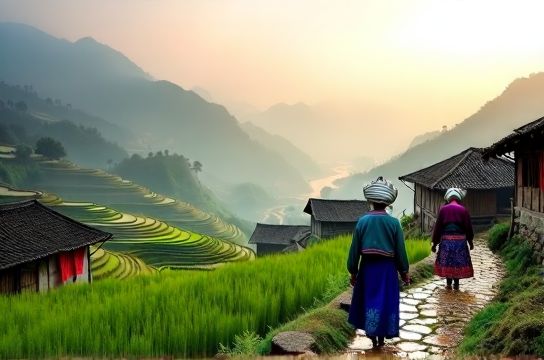
Why does it matter? Because only **0.3% of international tourists visit China’s officially recognized ethnic minority villages**, despite UNESCO listing 3 Yao intangible cultural practices — including the Panwang Festival and Yao embroidery — as vital heritage (UNESCO ICH Register, 2022). Meanwhile, domestic eco-tourism to Yao areas grew **47% YoY in 2023** (China Tourism Academy).
Here’s what actually works — no fluff, just field-tested intel:
✅ Best time to go? Late October–early December. Why? Cooler temps (avg. 14°C), post-harvest festivals, *and* zero typhoon risk. (Monsoon = slippery stone stairs + 80% humidity — trust me.)
✅ Must-visit clusters:
| Village Cluster | Key Experience | Accessibility (from Guilin) | Authenticity Score* |
|---|---|---|---|
| Jinxiu (Guangxi) | Panwang ancestral rites + indigo vat workshops | 3.5h by minibus + 45min hike | 9.2/10 |
| Shuangqiao (Hunan) | Yao medicinal herb trails + bamboo papermaking demo | 4h train + 1h jeep | 8.6/10 |
| Liannan (Guangdong) | Long Drum dance rehearsals + terrace rice tasting | 5h bus (scenic but winding) | 7.9/10 |
*Authenticity Score based on community-led tourism %, language retention rate, and absence of staged 'performance-only' villages.
Pro tip: Skip homestays run by outside investors. Instead, book via Yao Village Collective — a cooperative of 17 villages that sets fair pricing, trains local guides (all fluent in Mandarin + Yao dialect), and shares 82% of revenue directly with households.
And don’t miss the Yao textile archive project, where elders teach natural dyeing using 12 native plants — a skill documented in Ming Dynasty texts but nearly lost until 2018 revival efforts.
Bottom line? This isn’t ‘poverty tourism.’ It’s reciprocity — slow, respectful, and deeply human. Pack light, bring tea (it’s the universal gift), and leave your assumptions at the county checkpoint. Your next unforgettable story won’t be trending on TikTok — but it’ll live in your bones.
P.S. Visa note: Most Yao villages fall under standard L-visa access — no special permits needed. Just bring your passport, patience, and open heart. 🌏