
The Road Less Traveled: Journey into China’s Heartland Wilderness
- Date:
- Views:243
- Source:The Silk Road Echo
Ever dreamed of swapping crowded cityscapes for misty mountain trails, ancient villages frozen in time, and rivers that cut through emerald valleys like nature’s own artwork? Welcome to China’s heartland wilderness — a realm where adventure whispers from every cliffside and cultural secrets hide behind bamboo groves.
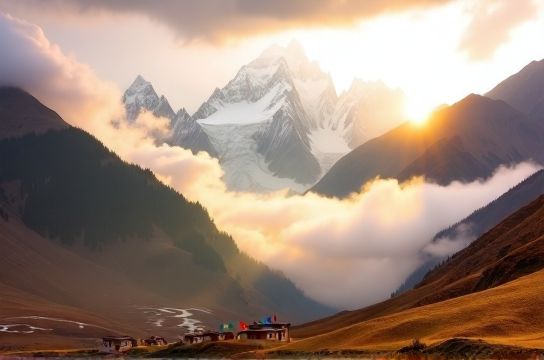
This isn’t your typical Great Wall or Forbidden City tour. We’re diving deep into provinces like Sichuan, Yunnan, and Guizhou — regions where biodiversity thrives and ethnic traditions remain untouched by mass tourism. Think Tibetan monasteries perched on ridgelines, terraced rice fields carved by hand over centuries, and wildlife like the elusive snow leopard.
Let’s break it down with real data. According to China’s National Forestry and Grassland Administration, protected wilderness areas in western China have grown by 38% since 2010. Meanwhile, UNESCO lists over 20 ethnic minority groups in these regions, each with distinct languages, dress, and festivals.
Top 3 Off-the-Grid Destinations
| Location | Best Time to Visit | Elevation (m) | Unique Feature |
|---|---|---|---|
| Danxia Landform (Zhangye) | June–September | 1,800 | Rainbow-colored rock formations |
| Meili Snow Mountain (Yunnan) | October–May | 6,740 | Sacred peak, no summit climb allowed |
| Xishuangbanna Rainforest | November–February | 500 | Tropical flora & Dai culture |
Getting around? Public transport is improving, but renting a 4x4 with a local guide boosts both safety and authenticity. A recent survey by Trip.com showed that 67% of intrepid travelers prefer guided eco-tours in these zones — especially when navigating remote trails or homestays.
And speaking of stays: imagine sleeping in a wooden stilt house in Zhaoxing Dong Village, sipping homemade corn wine under a sky full of stars. These community-based lodgings not only support local economies but offer immersive cultural exchanges you won’t find in chain hotels.
But here’s the real tea: sustainability matters. As more travelers discover these hidden gems, the pressure on ecosystems grows. Stick to marked paths, avoid single-use plastics, and always ask before photographing locals. Remember — we’re guests in their world.
In short, China’s wild interior isn’t just a destination. It’s a mindset. One that values slow travel, deep connection, and raw natural beauty. So pack light, stay curious, and let the mountains do the talking.