
Remote Trekking Destinations in Southern China
- Date:
- Views:223
- Source:The Silk Road Echo
If you're tired of crowded hiking trails and Instagram-packed viewpoints, it’s time to go off-grid. Southern China is hiding some of the most breathtaking yet underrated trekking spots on the planet — think misty karst peaks, ancient tea horse trails, and ethnic minority villages untouched by mass tourism.
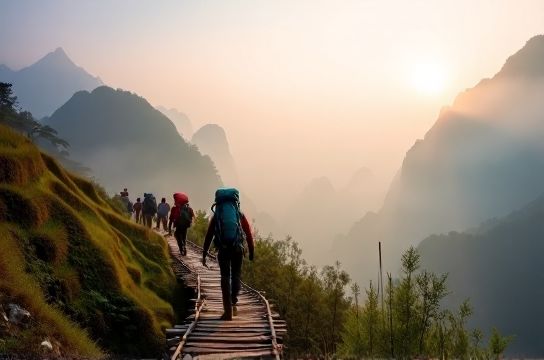
I’ve spent over three years exploring remote paths across Yunnan, Guangxi, and Guizhou, and let me tell you: these trails offer more soul than your average guided tour. Whether you’re a seasoned backpacker or just looking for your next adventure fix, here are the top hidden gems worth lacing up for.
Why Trek in Southern China?
The region's diverse terrain — from limestone towers in Guilin’s backcountry to highland plateaus near the Myanmar border — makes it a trekker’s paradise. Plus, with low tourist density outside major sites, you’ll actually experience nature, not noise.
According to China National Tourism Administration data, only 12% of international visitors explore rural Yunnan beyond Dali and Lijiang. That leaves 88% missing out on true wilderness.
Top 3 Remote Trekking Routes
| Trail | Location | Duration | Difficulty | Best Season |
|---|---|---|---|---|
| Yuanyang Rice Terraces Loop | Yunnan | 4–5 days | Moderate | Dec–Mar (water-filled terraces) |
| Longji Ancient Path | Guilin, Guangxi | 2–3 days | Easy–Moderate | Sep–Nov (harvest season) |
| Meili Snow Mountain Kora | Deqin, Yunnan | 7–9 days | Challenging | May–Jun & Sep–Oct |
Pro tip: The Meili Snow Mountain trek isn’t just physically demanding — it’s spiritually significant. Locals consider the peak sacred, and many pilgrims walk the kora (circumambulation route) for weeks. Respect local customs: don’t litter, avoid loud noises, and ask before photographing people.
What to Pack (And What to Skip)
- Must-haves: Lightweight rain jacket, broken-in boots, water purifier, basic Mandarin phrasebook
- Forget: Heavy camping gear — homestays and village guesthouses are common and cost $8–15/night
Internet? Spotty at best. Embrace it. These treks aren’t about posting every view — they’re about feeling present.
Final Thoughts
Remote trekking in southern China isn’t just a hike — it’s a cultural immersion wrapped in jaw-dropping scenery. With fewer crowds, rich traditions, and trails that challenge and reward, this corner of Asia should be on every adventurous traveler’s radar.