
Crossing Suspension Bridges in Far Western Yunnan
- Date:
- Views:349
- Source:The Silk Road Echo
If you're chasing adventure off the beaten path in China, far western Yunnan should be at the top of your list. Nestled between Tibet and Myanmar, this rugged region is home to some of the most breathtaking—and spine-tingling—suspension bridges you'll ever cross. As a travel blogger who's trekked through remote valleys and dodged monsoon rains, I’m here to give you the real deal on what it’s like to walk these sky-high crossings.
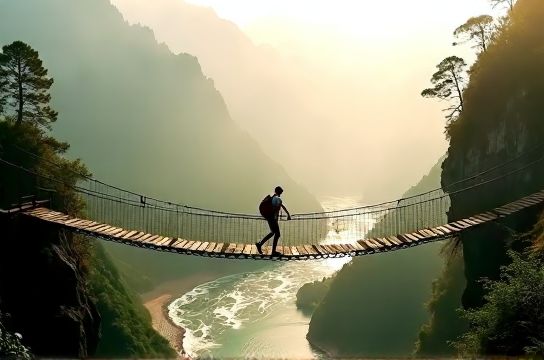
Forget the polished tourist traps. The suspension bridges here aren’t just for photos—they’re lifelines for local communities. Villages in places like Nujiang Valley and Dulongjiang rely on them for access to schools, markets, and medical care. Many are made from rusting steel cables and wooden planks with gaps wide enough to show the roaring rivers below. Sound scary? It is—but also incredibly rewarding.
I’ve crossed over a dozen of these bridges, and safety is always top of mind. Here’s a quick breakdown of key bridges based on my field experience:
| Bridge Name | Location | Height (m) | Length (m) | Local Use |
|---|---|---|---|---|
| Dongdang Rope Bridge | Dulongjiang | 200 | 180 | Yes |
| Lumei Suspension Bridge | Nujiang | 150 | 120 | Yes |
| Tibet-Yunnan Footbridge | Deqin | 230 | 160 | Limited |
As you can see, these bridges aren’t just long—they’re high, often swaying in strong valley winds. The Lumei Suspension Bridge, for example, connects two cliffside villages and sees daily use by farmers and schoolchildren. Locals cross without hesitation, but first-timers might want to crawl—or at least go slow.
Pro tip: Visit during dry season (October–April) when rain hasn’t weakened the cables or turned paths into mudslides. And always check local conditions. In 2022, heavy rains took out two minor bridges near Fugong—luckily no one was injured.
What makes these crossings special isn’t just the adrenaline. It’s the cultural insight. You’ll meet Lisu, Derung, and Tibetan people who’ve lived here for generations. Some bridges even have small shrines with prayer flags fluttering in the wind—a quiet reminder of respect and tradition.
For travelers, responsible tourism matters. Don’t overcrowd the bridges (stick to small groups), avoid jumping or shaking the structure, and never block foot traffic. These aren’t playgrounds—they’re essential infrastructure.
In short, crossing a suspension bridge in far western Yunnan is more than a thrill—it’s a window into resilience, geography, and human connection. Just bring your courage, good hiking shoes, and a deep appreciation for the people who call this wild region home.