
Taste of Tradition Homemade Food in Hakka Homes
- Date:
- Views:309
- Source:The Silk Road Echo
If you’ve ever stepped into a Hakka home, you know it’s not just about the food—it’s about heritage, warmth, and generations-old secrets simmering in every pot. As someone who’s eaten my way through Guangdong, Fujian, and Taiwan, I can tell you: authentic Hakka cuisine is one of China’s best-kept culinary treasures.
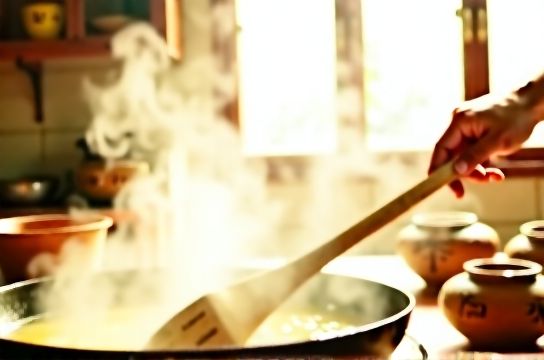
Forget fancy plating or trendy fusion—Hakka cooking is hearty, humble, and packed with flavor. Born from a migrating people who valued preservation and sustenance, these dishes were designed to fuel hard work and bring families together. Today, they’re making a quiet comeback, not in Michelin-starred restaurants, but in home kitchens and local eateries where tradition still rules.
Why Hakka Food Stands Out
The Hakka (or “guest people”) have a unique history of displacement, which shaped their cooking style. With limited access to fresh ingredients during migration, they mastered salted, fermented, and preserved foods. Their dishes are known for being salty, oily, and robust—perfect for long days in the fields.
But don’t let that scare you off. That richness translates into deeply satisfying meals like lei cha (tea rice), yong tau foo (stuffed tofu), and the legendary abacus seeds—a chewy, wok-fried noodle dish made from yam and rice flour.
Must-Try Dishes & Nutritional Insights
Curious what makes these meals so special? Let’s break down some staples:
| Dish | Main Ingredients | Calories (per serving) | Key Benefit |
|---|---|---|---|
| Abacus Seeds | Yam, rice flour, pork, vegetables | 380 | High in complex carbs & protein |
| Yong Tau Foo | Tofu, fish paste, veggies | 290 | Rich in plant-based protein |
| Lei Cha | Tea, nuts, herbs, rice | 420 | Packed with antioxidants & fiber |
| Salted Vegetable Pork Soup | Pork belly, fermented mustard greens | 350 | Probiotic support & energy boost |
See a pattern? These aren’t empty-calorie meals. They’re balanced, nutrient-dense, and built for real life. And thanks to fermentation (like in those tangy pickled greens), many offer gut-friendly benefits long before kombucha became a thing.
How to Experience Real Hakka Flavor at Home
You don’t need a village grandmother to cook like one. Start with lei cha—it’s surprisingly easy. Grind green tea, sesame seeds, peanuts, and fresh herbs into a paste, then mix with hot water and pour over cooked brown rice. Top with edamame, bitter greens, and tofu. Boom—you’ve got a bowl of history and health.
For a heartier option, try making homemade abacus seeds. Most online recipes skip the traditional stone mortar prep, but even the simplified version delivers that iconic chewy texture and smoky wok hei flavor.
Final Bite
Hakka food isn’t chasing trends. It’s survived centuries because it works—nutritionally, culturally, and emotionally. Whether you're exploring your roots or just chasing bold, comforting flavors, this cuisine offers something real. So skip the processed stuff and go for the original: simple ingredients, deep taste, and stories in every bite.