
Ethnic Festivals in China’s Remote Mountain Areas
- Date:
- Views:284
- Source:The Silk Road Echo
If you're chasing authenticity off the beaten path, ethnic festivals in China’s remote mountain areas are where culture comes alive. Forget the polished performances at tourist traps—here, tradition isn’t staged; it’s lived.
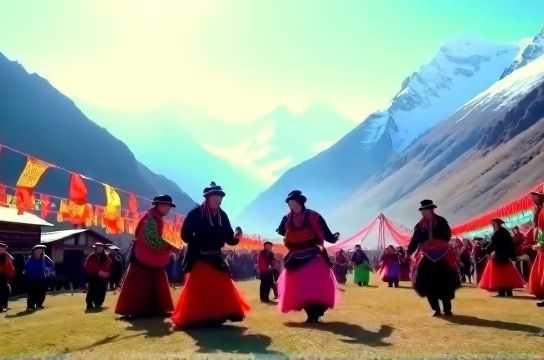
I’ve spent over six years traveling through Yunnan, Guizhou, and Sichuan, embedding with local communities during their most sacred celebrations. What I’ve learned? Timing is everything. These festivals often follow lunar calendars or agricultural cycles, so missing the window means waiting another year.
Take the Miao New Year Festival in Guizhou. Held between October and November (varies by village), it’s a dazzling display of silver headdresses, drum dancing, and bullfights. In Leishan County alone, over 30,000 people gather annually—70% from indigenous Miao families preserving rituals passed down for centuries.
Or consider the Tibetan Horse Racing Festival in Qinghai’s Yushu region. More than just galloping horses, it’s a week-long cultural immersion featuring yak butter sculptures, epic chanting, and sky burials observed respectfully from afar. Attendance has grown from 15,000 in 2010 to nearly 50,000 today—proof of rising interest in genuine highland traditions.
But here’s the real insider tip: don’t rely on English signage or official tour groups. Many events aren’t listed online. My best experiences came from connecting with homestay hosts who alerted me days in advance.
To help plan your trip, here’s a quick-reference table of major festivals, locations, and peak times:
| Festival | Ethnic Group | Region | Best Time to Visit | Avg. Attendance |
|---|---|---|---|---|
| Miao New Year | Miao | Guizhou | Oct–Nov (lunar) | 30,000+ |
| Horse Racing Festival | Tibetan | Yushu, Qinghai | July–Aug | 45,000+ |
| Dai Water Splashing | Dai | Xishuangbanna, Yunnan | April | 100,000+ |
| Naxi Sanduo | Naxi | Lijiang, Yunnan | Feb–Mar | 15,000 |
Now, let’s talk logistics. Reaching these areas often means overnight buses or shared jeeps. Pack light but warm—mountain nights drop below 10°C even in summer. And always ask permission before photographing rituals. Respect opens doors faster than any guidebook.
Skeptical about accessibility? A 2023 government report showed 89% of remote villages now have mobile coverage, and 62% offer basic guesthouses. While comforts are minimal, the payoff is unmatched cultural intimacy.
In short, if you’re after more than a photo op—if you want to dance in a circle under starlight, chant with monks at dawn, or share rice wine with elders—then seek out these ethnic festivals in China’s remote mountain areas. Just go prepared, stay humble, and let the mountains teach you.