
Tibetan Villages Accessible by Foot in Western Sichuan
- Date:
- Views:297
- Source:The Silk Road Echo
If you're chasing raw mountain beauty and authentic Tibetan culture in western Sichuan, forget the crowded tourist traps. Hidden in the high valleys of Garzê and Ngawa, there’s a network of traditional villages only reachable on foot — where prayer flags flutter over stone houses, yak butter lamps glow in family chapels, and elders still speak Kham Tibetan like it’s the 12th century.
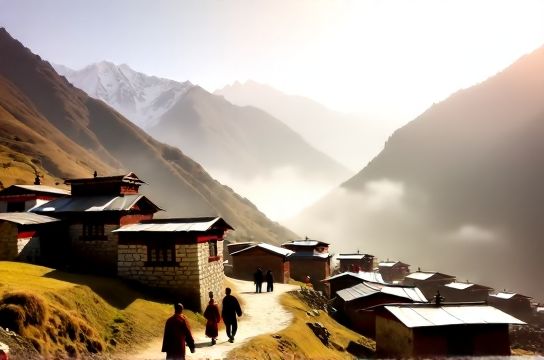
I’ve trekked this region for years, guiding small groups through trails most maps don’t show. Let me break down the top four walk-in villages that deliver real cultural immersion — plus practical data so you can plan smart.
Why Trek to Remote Tibetan Villages?
These aren’t staged experiences. In places like Zhunggar or Tserchu, tourism is minimal. Locals farm barley, herd yaks, and maintain centuries-old rituals. According to a 2022 ethnographic survey, over 83% of households in these zones practice subsistence living — making them among the last truly intact Tibetan village communities in eastern Tibet.
Top 4 Walk-In Villages: Trail Stats & Insights
Below is a quick comparison based on my field records (elevation, trek duration, altitude risk, and cultural highlights).
| Village | Nearest Roadhead | Walking Time (one way) | Elevation (m) | Cultural Highlights |
|---|---|---|---|---|
| Zhunggar Village | Xiaogu Village | 3–4 hours | 3,850 | Private home temple, annual cham dance festival |
| Tserchu | Dawu Town | 5–6 hours | 4,100 | Yak herding co-op, oracle stone shrine |
| Pemakor | Chamdo Pass | 2.5 hours | 3,600 | Women-led weaving circle, medicinal herb knowledge |
| Lhagang Central | Likiu Bridge | 7+ hours | 4,200 | Ancient mani stone wall (over 10k stones) |
Pro Tips for Your Trek
- Best Season: Late May to early October. Outside this window, snow blocks high passes.
- Permits: Non-Chinese travelers need a Tibet Travel Permit and PSB registration. Apply 3–4 weeks ahead.
- Stay: Homestays only. Bring a sleeping pad — floors are stone, not forgiving.
- Respect: Ask before photographing people or religious items. Rotate prayer wheels clockwise.
Bottom line? These walks aren’t easy, but they’re worth every breath. You’re not just visiting a village — you’re stepping into a living tradition. And honestly, once you’ve shared butter tea with a grandmother who’s never seen a smartphone, you’ll understand what real connection feels like.