
Journey to China’s Hidden Highland Plateaus
- Date:
- Views:300
- Source:The Silk Road Echo
If you're chasing breathtaking views, thin air, and a sense of true adventure, then China's highland plateaus should be at the top of your bucket list. Forget the crowded tourist traps—places like the Qinghai-Tibet Plateau and Yunnan’s Diqing region offer raw beauty, cultural depth, and an experience most travelers never get to see.
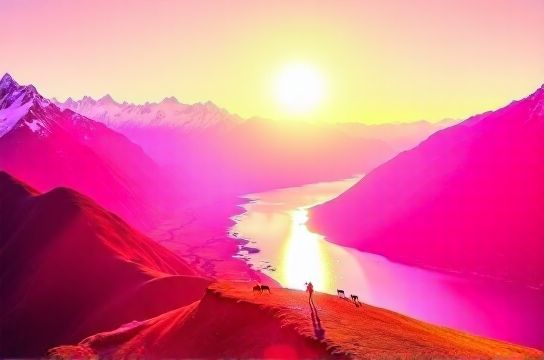
I’ve spent over three years exploring remote areas across western China, from nomadic camps in Nagqu to sunrise hikes above Shangri-La. Trust me: these aren’t just destinations—they’re transformations. And with the right prep, anyone can do it.
Why the Highland Plateaus?
At altitudes ranging from 3,000 to over 5,000 meters (9,800–16,400 ft), these regions boast some of the cleanest air and clearest skies on Earth. According to China’s National Climate Center, average summer temperatures hover around 12°C (54°F)—perfect for escaping the heat without sacrificing daylight.
But here’s the real kicker: tourism is still low-volume. In 2023, Tibet welcomed just 42 million visitors—compared to over 80 million in Sichuan. That means fewer crowds, more authentic interactions, and trails that feel truly untouched.
Top Plateau Destinations & Altitude Guide
Here’s a quick breakdown of key spots, so you know what you're getting into:
| Location | Avg. Altitude (m) | Best Time to Visit | Key Feature |
|---|---|---|---|
| Lhasa, Tibet | 3,650 | May–September | Potala Palace, spiritual heart of Tibetan Buddhism |
| Yading Nature Reserve | 4,200 | June–October | Three Sacred Mountains, epic trekking |
| Nagqu (Ngochukul) | 4,500 | July–August | Nomadic festivals, untouched grasslands |
| Shangri-La, Yunnan | 3,290 | April–October | Blend of Tibetan culture and lush valleys |
Pro tip: Acclimatize slowly. I recommend spending two nights in Xining (2,300m) or Chengdu before heading higher. One traveler I guided skipped this step—ended up with severe altitude sickness in Nagqu. Not fun.
How to Get There & Permits You Need
Most international visitors fly into Chengdu or Xining, then take domestic flights or long-distance buses. But here’s where it gets tricky: travel to Tibet requires a Tibet Travel Permit. Apply through a licensed tour operator—at least 20 days in advance. Independent travel isn’t allowed in most parts of Tibet, but group tours now start as low as $80/day.
For high-altitude safety tips and itinerary planning, check out official resources from China’s Ministry of Culture and Tourism. They’ve updated guidelines post-pandemic, including health checks and eco-tourism rules.
Bottom line? These plateaus aren’t easy—but they’re worth every breath. Whether you're meditating in a centuries-old monastery or camping under stars so bright they look fake, this journey changes you. Pack smart, go slow, and let the mountains speak.