
Cultural Encounters in China’s Forgotten Villages
- Date:
- Views:241
- Source:The Silk Road Echo
If you're tired of the same old tourist traps in Beijing or Shanghai, it’s time to go off-grid—way off. Hidden across China’s rural corners are centuries-old villages where tradition isn’t performed; it’s lived. As a cultural travel blogger who’s spent the last five years exploring remote regions, I can tell you: these forgotten villages in China offer some of the most authentic experiences left on Earth.
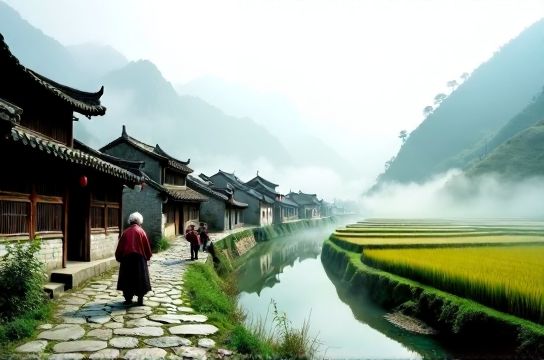
I’m talking about places like Xijiang in Guizhou, home to the largest Miao community in China, or Hongcun in Anhui, whose ancient water system was designed during the Song Dynasty. These aren’t just scenic spots—they’re living museums. And the best part? Most haven’t been swallowed by mass tourism… yet.
Let’s break down why visiting these villages matters—and how to do it right.
Why Visit China’s Rural Villages?
Beyond breathtaking landscapes and heritage architecture, these villages preserve languages, crafts, and farming techniques that predate modern China. According to UNESCO, over 300 traditional villages in China have been recognized for their cultural significance since 2012—but thousands more remain undocumented.
Traveling here supports local economies directly. In Xijiang, for example, 78% of income now comes from cultural tourism (China National Tourism Administration, 2022). But sustainability is key. Overcrowding risks erasing the very authenticity travelers seek.
Top 5 Underrated Villages Worth Visiting
Here’s a quick comparison of standout locations based on accessibility, cultural depth, and visitor impact:
| Village | Province | Cultural Group | UNESCO Status | Avg. Yearly Visitors (2023) |
|---|---|---|---|---|
| Xijiang | Guizhou | Miao | Proposed | 1.2 million |
| Hongcun | Anhui | Hui | World Heritage Site | 1.8 million |
| Fenghuang | Hunan | Tujia & Miao | National Heritage | 2.1 million |
| Diaoyuan | Jiangxi | Hakka | Pending | 420,000 |
| Shaxi | Yunnan | Bai | UNESCO Watchlist | 380,000 |
Notice the trend? The more accessible and marketed a village is, the higher the foot traffic—and often, the more diluted the culture becomes. That’s why I recommend starting with less-visited spots like Shaxi or Diaoyuan. You’ll get deeper interactions, fewer selfie sticks, and a real sense of place.
How to Travel Responsibly
- Stay local: Book family-run guesthouses. In Shaxi, homestays cost ~$25/night and support entire households.
- Ask before photographing: Many elders consider photos disrespectful without permission.
- Buy handmade: A hand-embroidered Miao jacket costs $60 locally but sells for $300+ abroad. Support artisans directly.
Bottom line? These traditional Chinese villages aren’t just destinations—they’re guardians of identity. Visit with respect, and you won’t just see culture. You’ll help keep it alive.