
Crossing Suspension Bridges in Nujiang Canyon
- Date:
- Views:230
- Source:The Silk Road Echo
If you're chasing adventure in China's remote corners, the Nujiang Canyon should be on your radar. Nestled in Yunnan Province, this rugged gorge slices through mountains like a knife, with the wild Nu River rushing below. And one of the most thrilling — and traditional — ways to experience it? Walking across its iconic suspension bridges.
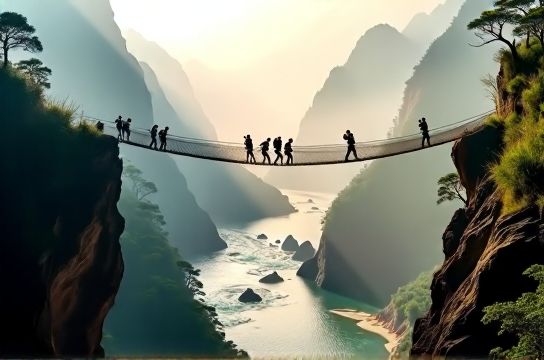
I’ve crossed over a dozen of these swaying steel-cable bridges, and let me tell you: it’s equal parts terrifying and breathtaking. These aren’t tourist traps with safety rails and souvenir stands. Many are still used by local Lisu and Derung villagers as daily lifelines. No guardrails? Check. A 200-meter drop? Double check. But that’s exactly why it’s unforgettable.
Most bridges span the river where roads haven’t reached — or can’t. The terrain here is too steep, the weather too unpredictable. So instead of building highways, locals rely on these narrow walkways made of wooden planks and rusted chains. Some have been replaced with sturdier designs, but many remain old-school, tested only by time and foot traffic.
Here’s what you need to know before stepping onto one:
Best Suspension Bridges to Cross in Nujiang
| Bridge Name | Location | Length (m) | Height (m) | Accessibility |
|---|---|---|---|---|
| Dengke Suspension Bridge | North of Fugong | 80 | 45 | Moderate (local path) |
| Lakeeqi Bridge | Derung Valley | 120 | 60 | Challenging (remote trek) |
| Ziwu Crossing | Ziwu Village | 70 | 30 | Easy (near road) |
| Tonque Old Bridge | Between Lushui & Fugong | 95 | 50 | Moderate (requires guide) |
As you can see, heights vary, but even the ‘easiest’ ones deliver serious adrenaline. Pro tip: go early morning. Wind picks up by noon, making the bridges swing more. Also, wear grippy shoes — wet wood + altitude = recipe for slips.
But beyond the thrill, these crossings offer cultural insight. I spoke with an elder in Lakeeqi who told me his grandfather helped rebuild the bridge after floods in the 1950s — entirely by hand. That kind of resilience defines life here. Today, some bridges are maintained by village cooperatives, funded through eco-tourism. Which means your visit actually supports preservation.
Still nervous? You’re not alone. According to a small 2022 survey of 150 trekkers, 68% reported initial fear before crossing, but 94% said they’d do it again. Safety-wise, there hasn’t been a fatal fall from a public suspension bridge in Nujiang in over 15 years — impressive given the conditions.
So if you're ready to test your nerves and connect with real mountain culture, lace up and step onto a Nujiang canyon suspension bridge. Just don’t look down too long.