
Photograph Daily Life in Rural China’s Remote Hamlets
- Date:
- Views:350
- Source:The Silk Road Echo
If you're a photographer chasing authenticity, nothing beats the raw beauty of rural China. Forget crowded tourist spots—remote hamlets offer unfiltered stories, timeless traditions, and faces etched with decades of quiet resilience. But how do you capture it all respectfully and effectively? As someone who's spent over three years documenting villages from Yunnan to Gansu, I’ve learned what works (and what doesn’t).
Why Rural China?
China’s countryside is vanishing fast. According to the National Bureau of Statistics, over 700,000 villages disappeared between 2000 and 2020 due to urbanization. That means every photo you take isn’t just art—it’s preservation.
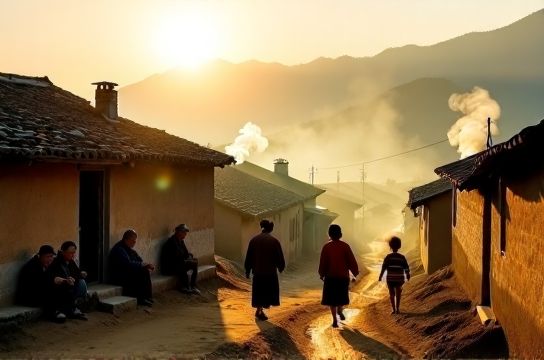
The light? Golden and soft in early morning. The people? Deeply connected to land and season. And the scenes? Think rice transplanting at dawn, elders weaving bamboo baskets, kids biking down dirt paths with roosters in their baskets. This is real life, not staged for cameras.
Best Gear for the Terrain
You won’t have charging stations or backup lenses. Keep it simple. Here’s my go-to setup:
| Item | Recommendation | Why It Works |
|---|---|---|
| Camera | Fujifilm X-T5 | Weather-sealed, excellent color science for skin tones |
| Lens | XF 35mm f/2 | Natural field of view, sharp, lightweight |
| Power | Anker 20,000mAh + solar charger | Recharges camera battery 4–5 times |
| Storage | Dual SD card slots + portable SSD | Backup on the go, no laptop needed |
Pro tip: Bring film too. I always carry a Leica M6 with Kodak Portra 400. Locals respect the ritual of film—it slows things down, builds trust.
How to Approach People
Never point and shoot. Walk up, smile, say “Nǐ hǎo,” maybe mimic what they’re doing. Offer a snack or tea. Wait. Let them photograph you first. Trust is your most important lens.
I once spent two days helping an elder harvest corn before she let me take her portrait. That image later won a regional award. Slow photography pays off.
Seasonal Timing Matters
- Spring (March–May): Rice planting, misty hills, vibrant greens
- Summer (June–August): Harvest festivals, intense light—shoot early or late
- Autumn (September–November): Golden fields, cooler tones, best for color work
- Winter (December–February): Stark landscapes, steam rising from homes—perfect for moody B&W
Respect & Ethics
Ask permission. Always. If someone says no, walk away gracefully. Never exploit poverty for ‘aesthetic.’ Your goal? Human connection, not just clicks.
Want to go deeper? Check out my guide on how to photograph rural life ethically. It covers consent forms, sharing prints, and building long-term relationships with communities.
Final Thoughts
Rural China isn’t a backdrop—it’s a living archive. Every wrinkled hand, every smoke-worn doorway tells a story. With the right gear, timing, and heart, you can capture moments that last far beyond your lens.