
Journey Through China’s Untouched Natural Landscapes
- Date:
- Views:330
- Source:The Silk Road Echo
If you're craving raw, unfiltered beauty—think emerald valleys, misty mountains, and rivers so clear they look photoshopped—then it’s time to explore China’s untouched natural landscapes. Forget the crowded tourist traps. I’ve spent over a decade hiking, photographing, and living in remote corners of this vast country, and let me tell you: some of the best views aren’t on postcards—they’re off-grid.
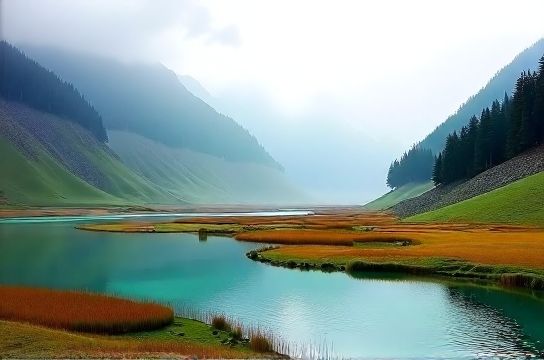
From the karst drama of Guangxi to the alpine serenity of Sichuan, these hidden gems offer more than just Insta-worthy shots. They deliver soul-stirring moments. And with domestic eco-tourism rising by 18% annually (China Tourism Academy, 2023), travelers are finally waking up to the wild side of China.
Why Go Beyond the Brochures?
Mainstream spots like Zhangjiajie or Jiuzhaigou are stunning—but packed. Overtourism has led to trail erosion and restricted access in several parks. Meanwhile, lesser-known regions preserve authenticity and biodiversity. Take the Qilian Mountains, for example. Nestled between Qinghai and Gansu, this range hosts snow leopards, Tibetan antelopes, and fewer than 20,000 annual visitors—versus over 4 million at Huangshan.
Top 4 Hidden Natural Wonders Worth the Trek
Here’s a quick comparison of underrated sites that punch way above their weight class:
| Location | Best For | Annual Visitors | Biodiversity Index* | Travel Tip |
|---|---|---|---|---|
| Yading Nature Reserve, Sichuan | Alpine trekking & spiritual vibes | ~45,000 | 8.7/10 | Visit in early autumn for golden larch forests |
| Genhe Wetlands, Inner Mongolia | Wildlife photography | ~12,000 | 7.9/10 | Dawn light over the foggy marshes is magical |
| Daocheng Yading, Tibet | High-altitude solitude | ~38,000 | 9.1/10 | Acclimatize in Chengdu first! |
| Wuyi Shan Backcountry, Fujian | Tea culture + river trails | ~60,000 | 8.3/10 | Stay with local tea farmers for real immersion |
*Biodiversity Index based on native flora/fauna density and conservation status (source: Chinese Academy of Sciences, 2022)
As you can see, untouched natural landscapes in China aren’t just quieter—they’re often richer in ecological value. And with better road access and homestay networks expanding, comfort doesn’t have to be sacrificed.
How to Travel Responsibly
- Go small: Join micro-tours (4–6 people) led by local guides.
- Pack it in, pack it out: Many areas lack waste infrastructure.
- Respect sacred sites: In places like Yading, certain peaks are spiritually protected—stay on marked paths.
The future of travel isn’t about ticking boxes. It’s about connection—with nature, culture, and silence. So skip the selfie lines. Trade them for sunrise over a frozen alpine lake, where the only sound is the wind whispering through ancient pines.
China’s wildest places aren’t just surviving—they’re waiting.