
Remote Hiking Routes in China for Solitude Seekers
- Date:
- Views:255
- Source:The Silk Road Echo
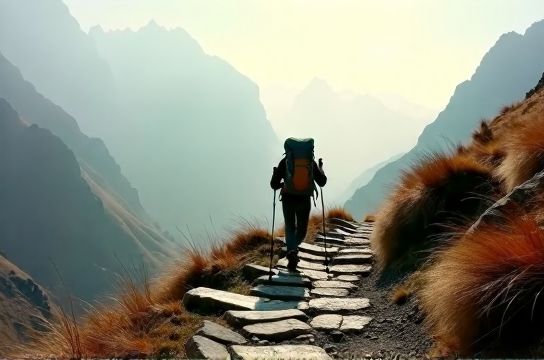
If you're tired of overcrowded trails and selfie sticks blocking the view, it’s time to go off-grid. China isn’t just about megacities and bullet trains—deep in its western and southern frontiers lie some of the most breathtaking remote hiking routes on Earth. As a travel blogger who’s trekked over 3,000 km across rural China, I’ve handpicked five under-the-radar trails where silence, snow-capped peaks, and wild yaks outnumber tourists.
Why Hike Remote Trails in China?
China boasts over 60,000 km of mountain trails, yet less than 5% are regularly visited by international hikers. The real magic? Places like eastern Tibet, northern Yunnan, and Xinjiang’s Tien Shan range offer untouched landscapes and cultural depth. Plus, with proper permits (more on that later), these routes are safer than ever.
Top 5 Remote Hiking Routes
Here’s a quick comparison of my top picks based on difficulty, scenery, and solitude:
| Trail | Location | Duration | Difficulty | Solitude Score (1-10) |
|---|---|---|---|---|
| Kawagarbo Trek | Yunnan/Tibet border | 7–9 days | Hard | 9.5 |
| Tianchi Valley Loop | Xinjiang | 4–5 days | Moderate | 8 |
| Yading Pilgrimage Path | Sichuan | 5–6 days | Moderate-Hard | 8.7 |
| Namtso Lake Circuit | Tibet | 8–10 days | Hard | 9 |
| Daxue Mountain Traverse | Sichuan | 6 days | Hard | 9.2 |
1. Kawagarbo Trek – The Holy Grail
This sacred circuit around Meili Snow Mountains is banned for summit attempts (out of respect), but the 130-km loop is pure magic. Expect prayer flags fluttering at 4,800m, glacial valleys, and zero crowds. Permits required via local Tibetan agencies—budget ~$200 for logistics.
2. Tianchi Valley Loop – Hidden Gem in Xinjiang
Forget the touristy Tianchi Lake. This high-altitude valley near Bosten offers alpine meadows, nomadic Kazakh herders, and views of Bogda Peak. Best in July when wildflowers bloom. Access: charter a jeep from Urumqi (~$150 round-trip).
Pro Tips for Safe Solo Hiking
- Permits: Apply 4–6 weeks early. Tibet routes need a Tibet Travel Permit + local approvals.
- Season: May–October avoids snow and landslides.
- Gear: Pack a satellite messenger (like Garmin inReach). No cell signal beyond towns.
- Culture: Ask before photographing locals. Many areas are deeply spiritual.
Bottom line? These remote hiking routes in China aren’t just trails—they’re journeys into raw nature and ancient cultures. With smart planning, you’ll trade Instagram fame for something rarer: true solitude.