
Ethnic Tapestry: Discovering Minority Cultures in Southwest China
- Date:
- Views:259
- Source:The Silk Road Echo
Think China is just about pandas, pagodas, and Peking duck? Think again. Head southwest—into Yunnan, Guizhou, and Sichuan—and you’ll step into a living mosaic of over 30 officially recognized ethnic minority groups. This region isn’t just scenic; it’s soul-stirring. From the drum dances of the Dong to the indigo batik of the Miao, Southwest China is where tradition wears its heart on its sleeve.
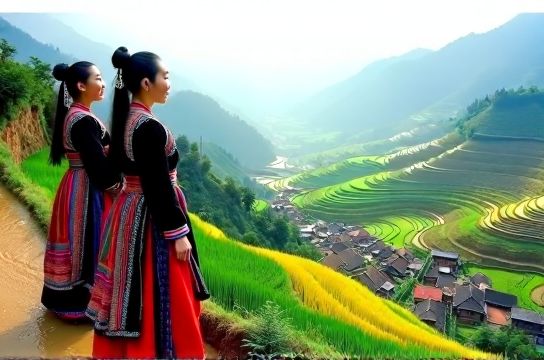
Why the Southwest? A Cultural Hotspot
This corner of China escaped Han assimilation for centuries thanks to its mountainous terrain and remote valleys. Result? A cultural treasure chest. UNESCO even recognizes parts of this region for intangible heritage, like the Dong Grand Choir—a hauntingly beautiful polyphonic singing style passed down orally for generations.
Meet the Makers: 4 Cultures You Can’t Miss
- Miao (Hmong): Famous for silver headdresses that can weigh over 10 pounds (!), their festivals like Lusheng Festival are explosions of color and music.
- Dai: In Xishuangbanna, they celebrate Water Splashing Festival like a Thai Songkran—drenching strangers with joy and good luck.
- Naxi: Guardians of the ancient Dongba script—one of the last pictographic writing systems on Earth.
- Dong: Their wind-and-rain bridges aren’t just pretty—they’re community hubs where elders sing and kids play.
Cultural Stats at a Glance
| Group | Population (approx.) | Key Region | Unique Tradition |
|---|---|---|---|
| Miao | 9.5 million | Guizhou, Yunnan | Silver craftsmanship |
| Dai | 1.3 million | Xishuangbanna, Yunnan | Water Splashing Festival |
| Naxi | 320,000 | Lijiang, Yunnan | Dongba script |
| Dong | 3 million | Guizhou, Hunan | Grand Choir singing |
Source: National Bureau of Statistics of China, UNESCO Intangible Heritage Lists
Travel Tips That Keep It Real
Want authenticity? Skip the tourist traps. Stay in family-run guesthouses in Zhaoxing (Dong village) or Yuanyang (Miao terraces). Visit during local festivals—but book months ahead. And please, ask before snapping photos. These aren’t performances; they’re people’s lives.
Also: learn two phrases in the local tongue. Even a clumsy ‘Xie xie’ (thank you) in Miao earns you smiles and stories.
The Bigger Picture
These cultures aren’t relics. They’re evolving—blending tradition with TikTok trends and eco-tourism. But modernization brings pressure. By traveling mindfully, you’re not just seeing culture—you’re helping sustain it.
So go beyond the Great Wall. Let your journey dive deep into the heartbeat of China’s highlands. Because sometimes, the most unforgettable views aren’t from mountaintops—but from sitting cross-legged, sharing rice wine with a Naxi elder who’s got stories older than your country.