
Follow the Path Less Traveled in Northern Yunnan Province
- Date:
- Views:194
- Source:The Silk Road Echo
If you're craving adventure that feels raw, real, and refreshingly off the beaten path, northern Yunnan is your next must-visit. Forget crowded tourist traps—this corner of China blends jaw-dropping landscapes, rich ethnic cultures, and spiritual depth into one unforgettable journey.
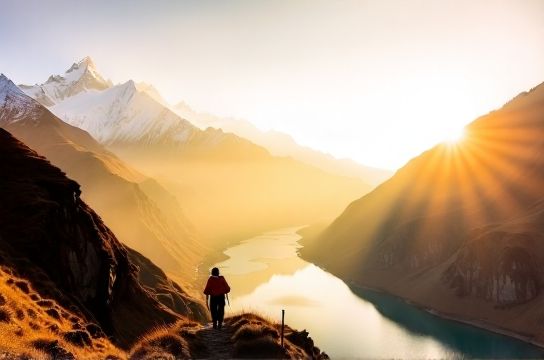
Nestled between Sichuan and Tibet, northern Yunnan is where the Hengduan Mountains rise dramatically, carving deep valleys and sheltering ancient villages. Think snow-capped peaks, turquoise lakes, and trails that lead to monasteries perched on cliffs. This isn’t just a trip—it’s a pilgrimage for the soul.
Start in Shangri-La (Zhongdian), a name borrowed from James Hilton’s utopian novel *Lost Horizon*. At 3,300 meters, the air is thin but the vibes are high. Visit the Gandan Sumtseling Monastery, the largest Tibetan Buddhist monastery in Yunnan. Over 300 monks chant daily, and the morning prayer session? Pure magic.
Just two hours away lies Meili Snow Mountain, home to Kawagebo Peak (6,740m)—sacred to Tibetans and still unclimbed. Locals believe climbing it brings bad luck, so its pristine glaciers remain untouched. The Tiger Leaping Gorge trek is more accessible—and legendary. Spanning 20km, this trail hugs the Jinsha River and offers some of the most dramatic gorge views on Earth.
But what really sets northern Yunnan apart is its cultural mosaic. Over 10 ethnic groups—including Naxi, Tibetan, and Yi—call this region home. In Baidi Village, near Meili, locals perform Dongba rituals, using an ancient pictographic script still taught today. It’s not for tourists; it’s lived tradition.
For nature lovers, Pudacuo National Park is a dream. Spread over 1,300 sq km, it’s China’s first national park modeled after Yellowstone. Expect mirror-like alpine lakes, wild orchids, and if you’re lucky, a glimpse of the endangered Tibetan red deer.
Best Time to Visit & Weather Overview
| Season | Temperature (°C) | Weather Conditions | Recommended? |
|---|---|---|---|
| Spring (Mar–May) | 5–18°C | Sunny, mild, blooming rhododendrons | ✅ Yes – Ideal trekking weather |
| Summer (Jun–Aug) | 10–22°C | Rainy season; lush greenery | ⚠️ Moderate – Watch for landslides |
| Autumn (Sep–Nov) | 3–16°C | Crisp air, clear skies, golden larch forests | ✅ Best time – Peak visibility |
| Winter (Dec–Feb) | -5–10°C | Snowy, cold, fewer crowds | ❄️ For adventurers only – Breathtaking views |
Getting around? Public buses connect major towns, but hiring a local driver with 4WD unlocks remote gems. Pro tip: Travel slow. Altitude hits hard—spend at least two days in Shangri-La to acclimate.
And food? Try zamba (roasted barley flour), yak butter tea, and pipa meat (cured pork shaped like a Chinese lute). These aren’t just meals—they’re stories on a plate.
In a world of cookie-cutter travel, northern Yunnan dares to be different. It doesn’t shout for attention. It whispers through prayer flags fluttering in the wind, echoes in monastery chants, and shines in the quiet beauty of a mountain lake at dawn.
This is travel with depth. This is the path less traveled.