
Ethnic Minority Villages Cultural Treasures in Deep China
- Date:
- Views:216
- Source:The Silk Road Echo
Think China is just about skyscrapers, pandas, and the Great Wall? Think again. Beyond the bustling cities lies a hidden world—remote mountain villages where ethnic minorities keep ancient traditions alive like nowhere else on Earth.
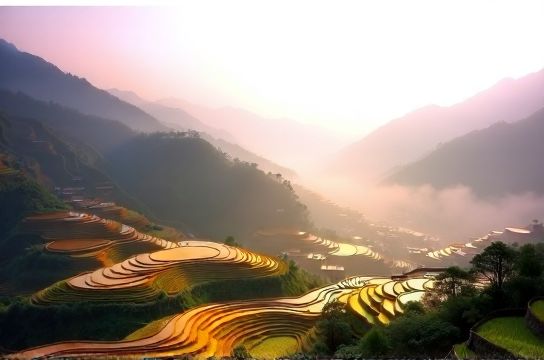
From the terraced rice fields of the Hani people to the handwoven batik cloths of the Miao, these communities are living museums of culture, language, and artistry. And guess what? More travelers are swapping neon lights for village bonfires, drawn by authenticity in an increasingly digital world.
Let’s dive into five must-visit ethnic villages, complete with real data to help you plan smarter.
Why Visit Ethnic Minority Villages?
China officially recognizes 56 ethnic groups. Han Chinese make up over 90%, but the remaining 55—like the Dong, Yi, Bai, and Zhuang—contribute massively to the country’s cultural richness. Over 120 million people belong to these minority groups (National Bureau of Statistics, 2023), many residing in Yunnan, Guizhou, Guangxi, and Sichuan.
These villages aren’t stuck in the past—they’re adapting while preserving identity. Tourism, when done responsibly, supports local economies and helps safeguard heritage.
Top 5 Ethnic Villages to Explore
- Honghe Hani Rice Terraces (Yunnan) – A UNESCO World Heritage site shaped over 1,300 years by the Hani people. The terraces cover over 100,000 acres, cascading down mountains like nature’s staircase.
- Xijiang Qianhu Miao Village (Guizhou) – Home to the largest Miao community in China, with over 6,000 residents. Famous for silver headdresses and vibrant festivals like Lusheng Festival.
- Zhaoxing Dong Village (Guizhou) – Known for its drum towers and polyphonic Dong choir singing, which made it onto UNESCO’s Intangible Cultural Heritage list.
- Dali Bai Village (Yunnan) – Nestled beside Erhai Lake, the Bai people welcome visitors with tie-dye workshops and three-course tea ceremonies.
- Lijiang Naxi Old Town (Yunnan) – Though touristy, the Naxi culture thrives through Dongba script, one of the last pictographic writing systems still in use.
Travel Tips & Data Snapshot
Planning your trip? Here’s what you need to know:
| Village | Best Season | Avg. Daily Cost (USD) | Local Highlight |
|---|---|---|---|
| Honghe Hani | March–June (water-filling season) | $35 | Mountain terrace views |
| Xijiang Miao | Oct–Nov (post-harvest festivals) | $45 | Silver jewelry & night markets |
| Zhaoxing Dong | May–Sept (choir performances) | $30 | Drum tower architecture |
| Dali Bai | Year-round (mild climate) | $40 | Tie-dye workshops |
| Lijiang Naxi | Spring/Fall | $50 | Dongba manuscripts |
Pro tip: Stay in family-run guesthouses. Not only is it cheaper, but you’ll get home-cooked meals and insider stories you won’t find in guidebooks.
Cultural Etiquette Matters
Respect goes a long way. Ask before photographing people. Learn a few basic phrases—“Xièxie” (thank you) or “Nǐ hǎo” (hello) earns smiles. In Miao villages, avoid stepping on door thresholds—it’s considered bad luck.
The goal? Be a traveler, not just a tourist. These cultures have survived centuries. Let’s help them thrive for centuries more.