
Ethnic Minority Villages Preserving Tradition in Remote Areas
- Date:
- Views:213
- Source:The Silk Road Echo
Hidden deep within misty mountains and lush valleys, ethnic minority villages across Southeast Asia and southern China are quietly holding onto traditions that modern life has nearly forgotten. These remote communities—home to groups like the Hmong, Yao, Dong, and Miao—offer travelers not just scenic beauty, but a living museum of culture, craftsmanship, and communal harmony.
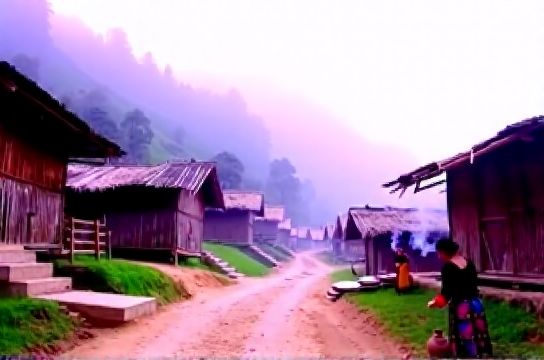
Take Guizhou Province in China, for example. Over 18 million ethnic minorities live there, making up more than 36% of the province’s population. In villages like Xijiang Qianhu Miao, the largest Miao village in China, tradition isn’t performed for tourists—it’s lived every day. From hand-embroidered silver jewelry to rice terraces carved into hillsides over centuries, these cultures thrive through resilience.
Why These Villages Matter
In an age of rapid urbanization, these villages serve as cultural anchors. UNESCO recognizes several of these communities as intangible cultural heritage sites. The Dong people’s Grand Choir, for instance, is a polyphonic singing style passed down orally for generations. No instruments, just pure human harmony echoing through wooden drum towers.
But it’s not all folklore and song. Many villages practice sustainable farming methods long before 'eco-friendly' became a buzzword. Terrace farming, natural dyeing with indigo, and bamboo-based construction show how tradition aligns with environmental wisdom.
A Glimpse Into Daily Life: By the Numbers
Here’s a snapshot of what makes these villages unique:
| Village / Group | Location | Population | Key Tradition | Languages Spoken |
|---|---|---|---|---|
| Xijiang Miao Village | Guizhou, China | ~6,000 | Silver Jewelry Craft | Miao, Mandarin |
| Zhaoziliao Yao Village | Yunnan, China | ~800 | Colorful Embroidery | Yao, Mandarin |
| Banlung (Indigenous Communities) | Ratanakiri, Cambodia | ~1,200 | Slash-and-Burn Farming | Tampuan, Khmer |
| Bana Village | Central Highlands, Vietnam | ~950 | Gong Culture | Bahnar, Vietnamese |
Travel Tips: How to Visit Respectfully
If you're planning a trip, remember: these aren't theme parks. They’re homes. Here’s how to be a mindful traveler:
- Ask before photographing people. A smile and gesture go a long way.
- Support local artisans. Buy handmade textiles directly from weavers—your money sustains families.
- Stay in homestays. Places like Dong Village Homestay in Zhaoxing offer meals cooked with heirloom recipes.
- Visit during festivals. The Miao New Year or Dong's Sar Nail Festival showcase vibrant rituals rarely seen year-round.
The Future of Tradition
Despite their charm, many villages face challenges—youth migration, language loss, and tourism pressure. Yet, there's hope. NGOs and government programs now fund bilingual education and craft preservation. In Guizhou, over 400 traditional villages are now protected by law.
As one elder in Xijiang told me: 'We don’t preserve culture because it’s beautiful to outsiders. We do it because it’s who we are.'
So next time you crave adventure, skip the crowded cities. Head to the hills. Listen to a grandmother sing an ancient lullaby. Taste rice wine brewed in clay pots. Let tradition remind you what it means to belong.