
Explore Ethnic Minority Villages in Remote Parts of China
- Date:
- Views:211
- Source:The Silk Road Echo
Ever dreamed of stepping into a world where time moves slower, colors are brighter, and traditions run deep? Welcome to the hidden ethnic minority villages tucked away in the remote corners of China. These aren’t your typical tourist spots — they’re living, breathing cultural treasures.
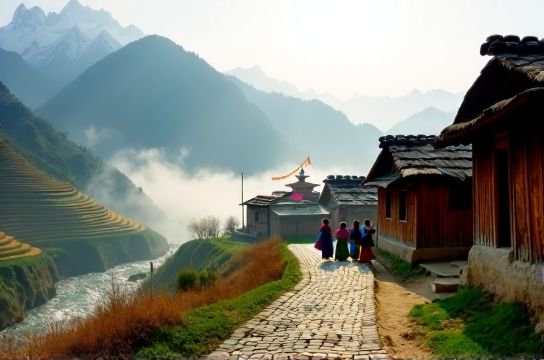
From the misty mountains of Yunnan to the rugged highlands of Guizhou, over 120 officially recognized ethnic minority groups call China home, each with its own language, dress, festivals, and way of life. While cities like Beijing and Shanghai showcase modern China, these villages offer a soulful glimpse into its ancient heart.
Why Visit Ethnic Minority Villages?
Because nowhere else can you witness centuries-old customs still thriving. Imagine joining a Dong族’s drum tower gathering, tasting hand-pounded glutinous rice in a Miao village, or waking up to Tibetan chants echoing through Himalayan valleys.
And here's a fun fact: Yunnan Province alone is home to 25 ethnic minorities, making it one of Asia’s most culturally diverse regions.
Top 4 Must-Visit Villages
- Xijiang Qianhu Miao Village (Guizhou) – The largest Miao village in China, with over 1,400 stilted wooden homes clinging to hillsides.
- Dali Bai Village (Yunnan) – Famous for its white-washed walls, intricate carvings, and tie-dye craftsmanship.
- Tengchong Hani Terraces & Villages (Yunnan) – Where agriculture becomes art on UNESCO-listed rice terraces.
- Barkam Tibetan Village (Sichuan) – A spiritual hub nestled at 3,200 meters, perfect for experiencing Tibetan Buddhism firsthand.
Quick Travel Insight: What You Need to Know
Before you pack your backpack, check out this handy overview:
| Village | Ethnic Group | Best Time to Visit | Unique Feature |
|---|---|---|---|
| Xijiang Miao | Miao | April–October | Silver jewelry & grand festival dances |
| Dali Bai | Bai | March–May | Three-course tea ceremony |
| Tengchong Hani | Hani | June & October | Rice terrace reflections |
| Barkam Tibetan | Tibetan | May–September | Monastery pilgrimages |
Pro tip: Visit during local festivals like the Miao New Year (November) or the Torch Festival (June–July) for unforgettable cultural immersion.
Cultural Respect & Responsible Tourism
These communities aren’t exhibits — they’re homes. Always ask before taking photos, dress modestly, and support local artisans by buying handmade crafts directly from them. Even small gestures go a long way.
In many villages, tourism now contributes up to 60% of household income, helping preserve traditions while boosting livelihoods.
Final Thoughts
Exploring China’s ethnic villages isn’t just travel — it’s connection. It’s hearing stories passed down for generations, tasting food cooked over open fires, and feeling the pulse of cultures that have survived against the odds.
So if you're craving something real, raw, and deeply human, skip the malls and head to the mountains. Your next great adventure is waiting in a quiet village, probably sipping tea with a grandmother who’s been weaving silk for 50 years.