
Rural China Travel Secrets of Forgotten Ancient Towns
- Date:
- Views:207
- Source:The Silk Road Echo
Think China’s ancient towns are all about crowds, ticket gates, and overpriced souvenirs? Think again. Beyond the postcard-perfect alleys of Lijiang and Pingyao lies a quieter, wilder side of rural China—where stone bridges arch over mossy rivers, elders still weave bamboo under eaves, and time moves at the pace of rice paddies swaying in the wind.
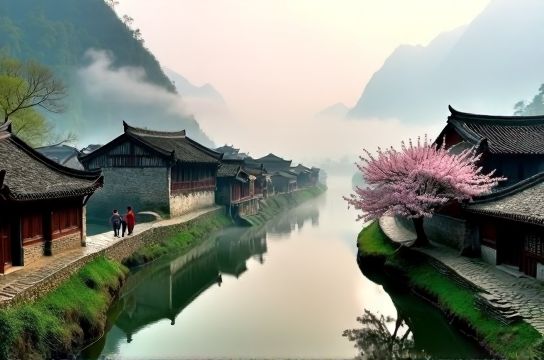
Welcome to the forgotten ancient towns—hidden gems tucked into misty mountains and remote river valleys. These places aren’t on every backpacker’s checklist (yet), but they offer something far more valuable: authenticity.
Why Go Off the Beaten Path?
Mainstream tourism has turned some historic towns into open-air malls. But according to China’s Ministry of Culture and Tourism, over 276 traditional villages have been officially recognized for cultural preservation—and fewer than 30% see regular international visitors.
These lesser-known spots offer immersive experiences: join a family making pickled vegetables, hike forest trails used by Ming dynasty traders, or sleep in a 200-year-old courtyard house converted into a guesthouse.
Top 4 Hidden Gems You Should Know
- Huanglongxi (Sichuan): A riverside town south of Chengdu with teahouses where locals play mahjong beneath red lanterns. Population: ~8,500.
- Xinpu (Hunan): Nestled in the Wuling Mountains, this Tujia ethnic village features stilt houses and folk songs sung in dying dialects.
- Zhaoxing Dong Village (Guizhou): Home to one of China’s largest侗 (Dong) minority communities. Don’t miss the five ancient drum towers.
- Changtan (Zhejiang): Surrounded by tea plantations and waterfalls, this Ming-era town sees fewer than 1,000 foreign tourists a year.
Travel Tips That Actually Help
Forget Google Maps—many of these towns aren’t fully digitized. Instead, download AMAP (China’s top navigation app) and learn a few Mandarin phrases like nǐ hǎo (hello) and xièxie (thank you).
Best time to visit? Spring (March–May) and autumn (September–November) offer mild weather and golden harvest scenes. Summer brings humidity and monsoon rains; winter can be chilly but magical with early snows.
Cost Comparison: Hidden vs. Famous Towns
| Category | Forgotten Town (e.g., Changtan) | Famous Town (e.g., Lijiang) |
|---|---|---|
| Average Accommodation (per night) | $15–$30 | $50–$120 |
| Local Meal | $2–$4 | $6–$10 |
| Entrance Fees | Mostly free | $10–$25 |
| Crowd Level (1–10) | 3 | 9 |
As you can see, going off-grid isn’t just more peaceful—it’s kinder to your wallet.
The Real Reward? Human Connection
In Zhaoxing, I shared a dinner of smoked pork and sticky rice with a Dong grandmother who spoke no English—but her laughter needed no translation. In Huanglongxi, a tea master poured me cup after cup of jasmine brew while telling stories of bandits and emperors.
That’s the secret these towns guard: not just history, but heart.
So skip the selfie sticks and crowded watchtowers. Pack light, stay curious, and let rural China surprise you—one quiet courtyard, one warm smile at a time.