
Beyond the Great Wall: Discovering China’s True Cultural Diversity
- Date:
- Views:297
- Source:The Silk Road Echo
When most people think of China, they picture the Great Wall, pandas, and maybe a plate of sweet and sour chicken. But let’s be real — that’s just the tip of the iceberg. China is *huge* — it’s the fourth-largest country in the world, and with over 56 officially recognized ethnic groups, its cultural tapestry goes way deeper than dumplings and dragon dances.
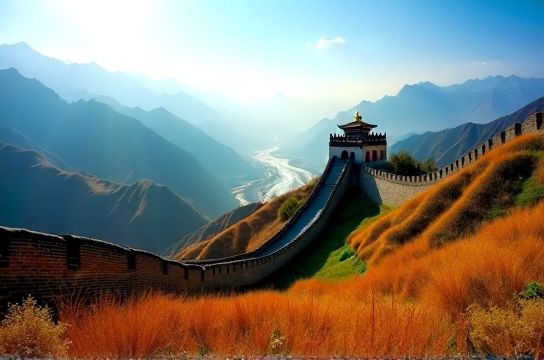
Forget everything you thought you knew. Beyond the postcard-perfect landmarks lies a living, breathing mosaic of languages, traditions, food, and beliefs that’ll blow your mind. From snowy Tibetan monasteries to tropical rainforests in Yunnan, China isn’t one story — it’s hundreds.
Take Yunnan Province, for example. Nestled in the southwest, this region is home to more ethnic minorities than anywhere else in China. You’ve got the Dai people celebrating Water Splashing Festival like it’s a month-long party, the Mosuo practicing matrilineal family structures (yes, women call the shots), and the Bai with their intricate tie-dye crafts and temple fairs. And the food? Think wild mushrooms, spicy papaya salad, and fermented fish that’ll wake up your taste buds like a slap in the face — in a good way.
Then there’s Xinjiang, where Central Asian vibes take center stage. Uyghur culture thrives here, with its vibrant bazaars, soulful muqam music, and plates of laghman noodles that’ll make you forget ramen ever existed. The landscape? Rugged deserts, towering mountains, and the eerie beauty of Lake Ayding — one of the lowest points on Earth. It feels less like China and more like stepping into another continent.
And we can’t skip Tibet. High in the Himalayas, Tibetan Buddhism shapes daily life. Prayer flags flutter across valleys, monks chant in ancient monasteries, and the Potala Palace stands as a spiritual beacon. But it’s not all solemn rituals — locals gather for horse racing festivals, butter tea tastings, and yak butter sculptures that are weirdly beautiful.
Even within the Han majority — which makes up about 92% of the population — regional differences are wild. A breakfast in Guangzhou means steaming dim sum, while up north in Beijing, you’re biting into scallion pancakes and soy milk. Language shifts too — Mandarin might be the official tongue, but dialects like Cantonese, Shanghainese, and Hokkien are so different, they’re practically separate languages.
What’s cool is how these cultures coexist — sometimes blending, sometimes staying fiercely independent. It’s not always perfect, and there are ongoing tensions around identity and preservation, but the sheer variety is undeniable.
So next time you think of China, don’t just see red walls and fireworks. See a country where a train ride can take you from desert oases to misty rice terraces, where every province has its own soundtrack, flavor, and rhythm. That’s the real magic.
China’s diversity isn’t just something to observe — it’s something to experience. Whether you're dancing at a Naxi wedding in Lijiang or sipping barley wine in a yurt, you’re not just traveling. You’re discovering a whole new side of what 'Chinese culture' really means.