
Ethnic Minority Villages in China Unique Heritage Journeys
- Date:
- Views:207
- Source:The Silk Road Echo
Think China’s only about skyscrapers and ancient emperors? Think again. Beyond the Great Wall and bustling cities lie over 55 officially recognized ethnic minority groups, each with its own language, festivals, architecture, and soul-stirring traditions. These hidden villages offer travelers a chance to step into living heritage—where culture isn’t performed, it’s lived.
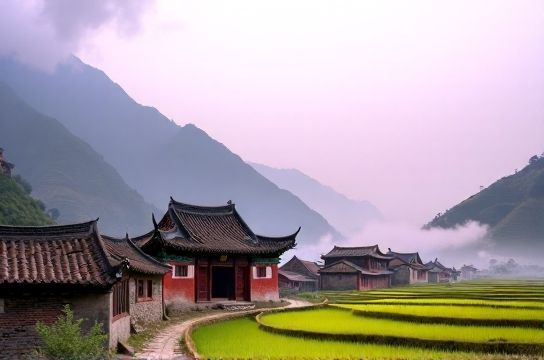
Why Visit Ethnic Minority Villages?
These aren’t tourist traps. They’re real communities preserving centuries-old ways. From the drum towers of the Dong to the stilted wooden homes of the Miao, every village tells a story. And yes—you’ll get Insta-worthy shots, but more importantly, you’ll leave with stories of your own.
Top 4 Must-Visit Ethnic Villages
1. Zhaoxing Dong Village, Guizhou
Nestled in lush green hills, Zhaoxing is the largest Dong village in China. Famous for its kam houses and five majestic drum towers, it’s a symphony of wood, water, and harmony. Don’t miss the Dong Choir—a UNESCO-listed polyphonic singing tradition that’ll give you chills.
2. Xijiang Qianhu Miao Village, Guizhou
Home to over 1,000 Miao households, this is China’s largest Miao settlement. At night, the mountainside glows with golden lights—it looks like a dragon breathing stars. Try suan tang fish (sour soup fish) and haggle for silver jewelry, a Miao signature.
3. Shangri-La Tibetan Village, Yunnan
Perched at 3,300 meters, this serene village near Dukezong Ancient Town offers prayer flags, yak butter tea, and views of snow-capped Meili Peak. Join locals spinning prayer wheels at dawn—it’s spiritual, not staged.
4. Jingpo Lake Villages, Heilongjiang
Less known but deeply authentic, these Manchu and Jingpo communities celebrate the Zuolun Festival with archery, horse racing, and folk dances. Winter visits mean ice fishing and log cabins straight out of a fairy tale.
Cultural Insights & Travel Tips
Respect is key. Always ask before photographing people. Learn a few local phrases—locals light up when you try. And while some villages now have guesthouses, pack patience: hot water might be scarce, and Wi-Fi spotty. That’s the point.
Quick Comparison: Best Time to Visit
| Village | Best Season | Key Event | Altitude (m) |
|---|---|---|---|
| Zhaoxing Dong | Spring (Mar–May) | Dong New Year (Jan/Feb) | 680 |
| Xijiang Miao | Autumn (Sep–Nov) | Miao Sister’s Meal Festival (Mar) | 1,000 |
| Shangri-La Tibetan | Summer (Jun–Aug) | Yak Festival (Jul) | 3,300 |
| Jingpo Lake | Winter (Dec–Feb) | Zuolun Festival (Jan) | 350 |
As tourism grows, so does responsibility. Choose eco-lodges, support local artisans, and avoid mass tour groups. These cultures survived centuries—we should help them thrive, not just survive.
So ditch the guidebook clichés. Swap neon cities for misty mountain trails. In China’s ethnic villages, heritage isn’t history—it’s heartbeat.