
Ethnic Minority Villages Discover Cultures Beyond Cities
- Date:
- Views:202
- Source:The Silk Road Echo
Think Vietnam is all about bustling Hanoi streets or Instagram-famous Ha Long Bay? Think again. Beyond the postcard scenes lies a world pulsing with ancient rhythms, vibrant textiles, and traditions passed down for centuries — welcome to Vietnam’s ethnic minority villages.
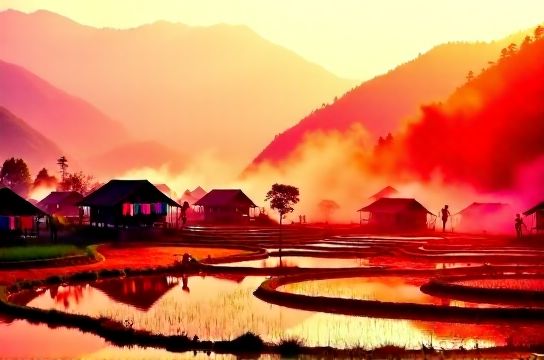
Nestled in misty mountains and tucked along river valleys, over 54 officially recognized ethnic groups call Vietnam home. While the Kinh majority dominates urban centers, the real cultural mosaic unfolds in remote highlands, where tribes like the Hmong, Dao, Tay, and Ede preserve ways of life unchanged for generations.
Why Visit Ethnic Minority Villages?
It’s not just about scenic rice terraces (though yes, they’re breathtaking). It’s about connection. In villages like Sa Pa, Mai Chau, or Buon Ma Thuot, you don’t just observe culture — you live it. Share sticky rice from a bamboo tube, learn indigo dyeing from a grandmother, or sleep in a stilt house under a thatched roof.
According to Vietnam’s General Statistics Office, rural areas are home to nearly 67% of the country’s ethnic minorities. Tourism, when done responsibly, supports local economies and helps preserve heritage at risk of fading.
Top 4 Villages to Explore
- Sa Pa (Lao Cai Province) – Home to Hmong, Red Dao, and Tay communities. Famous for terraced hills and vibrant Sunday markets.
- Mai Chau (Hoa Binh Province) – A peaceful valley dominated by the Thai people. Ideal for cycling and homestays.
- Bat Trang (Near Hanoi) – Not a minority village per se, but a gateway to experiencing craft-based cultures.
- Buon Ma Thuot (Central Highlands) – Heartland of the Ede and M’Nong. Known for gong music and elephant festivals.
Cultural Insights & Travel Tips
Respect is everything. Dress modestly, ask before taking photos, and always participate with humility. Many villagers speak limited Vietnamese, let alone English — a few tribal phrases go a long way.
And timing matters. Visit during harvest season (September–October) or traditional festivals like Tet Giay (Hmong New Year) for full cultural immersion.
Quick Comparison: Best Village Experiences
| Village | Main Ethnic Group | Best For | Accessibility |
|---|---|---|---|
| Sa Pa | Hmong, Dao | Trekking, Markets | 4h drive from Hanoi |
| Mai Chau | Thai | Homestays, Cycling | 3.5h drive from Hanoi |
| Buon Ma Thuot | Ede | Gong Music, Coffee Culture | Direct flights from Ho Chi Minh City |
| Du Gia (Ha Giang) | Yao, H’mong | Off-the-Grid Trekking | Challenging terrain, best with guide |
Ready to step off the beaten path? These villages aren’t just destinations — they’re invitations to slow down, listen, and discover the soul of Vietnam. As one Dao elder told me: "We keep our songs alive so visitors remember who we are."