
Rural China Travel Secrets of Forgotten Landscapes
- Date:
- Views:205
- Source:The Silk Road Echo
Think China is all about skyscrapers and bullet trains? Think again. Beyond the neon glow of Shanghai and the hustle of Beijing lies a quieter, more soulful side — one where mist curls over emerald rice terraces, ancient stone bridges arch over sleepy rivers, and time moves at the pace of buffalo strolls. Welcome to rural China, where forgotten landscapes whisper stories centuries old.
Why Rural China?
While over 60 million international tourists visit China annually, less than 5% venture beyond the top-tier cities. That means you’re not dodging crowds in rural Guizhou or bumping elbows with influencers in Yunnan’s hidden valleys. You’re stepping into living history.
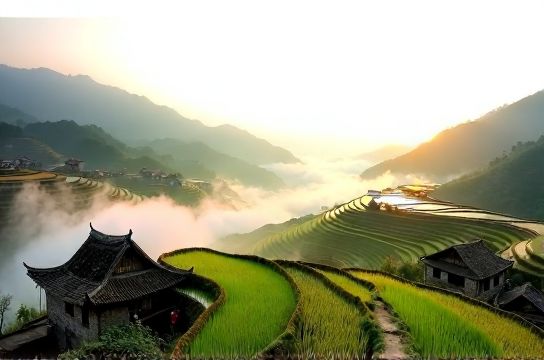
Places like Yuanyang Rice Terraces, carved by the Hani people over 1,300 years ago, aren’t just scenic—they’re masterpieces of sustainable farming. At sunrise, when golden light spills across the flooded fields, it feels like walking through a painting.
Top Hidden Gems Worth the Detour
- Shibadong Village (Hunan): The poster child for rural revitalization. Once impoverished, it now thrives on eco-tourism and organic farming.
- Xuanguang Ancient Town (Yunnan): A Ming Dynasty relic with cobbled lanes and zero commercial chains.
- Jiabang Terraces (Guizhou): Less touristy than Yuanyang but equally breathtaking.
By the Numbers: Rural Tourism Growth
Rural tourism in China isn’t just surviving—it’s booming. Check this out:
| Year | Rural Tourists (Million) | Revenue (Billion RMB) |
|---|---|---|
| 2020 | 2.8 | 75 |
| 2022 | 4.3 | 110 |
| 2023 | 5.1 | 132 |
Source: China National Rural Revitalization Administration
Tips for the Thoughtful Traveler
This isn’t your typical resort getaway. Respect goes a long way. Here’s how to travel right:
- Go local: Eat at family-run eateries. Try sour fish soup in Dong villages or hand-pulled noodles in Gansu.
- Stay authentic: Skip chain hotels. Opt for homestays—many are traditional wooden houses with mountain views.
- Travel slow: Buses might take hours, but that’s when you spot water buffaloes plowing fields or kids waving from village schools.
The Soul of the Journey
Rural China doesn’t sell experiences—it shares them. You’ll meet grandmothers weaving indigo cloth by hand, farmers explaining lunar planting cycles, and kids giggling as they practice English with you. These moments? They stick with you longer than any selfie.
So ditch the itinerary overload. Trade noise for nature, and Wi-Fi for wonder. Because the real China isn’t just in its cities—it’s in the quiet corners where culture still grows from the soil.