
Authentic Travel China Uncover Forgotten Mountain Trails and Temples
- Date:
- Views:201
- Source:The Silk Road Echo
Forget the crowds at the Great Wall and skip the bullet trains to Shanghai. If you're craving real, raw, soul-stirring travel in China, it's time to go deep—way up into misty mountains where ancient stone paths whisper secrets of forgotten dynasties. We're talking about off-the-grid trails, hidden temples tucked into cliffs, and villages where time moves slower than a bamboo raft on a mountain stream.
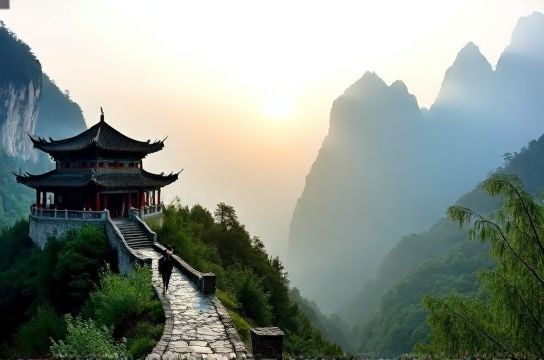
China’s spiritual heart beats strongest in its remote highlands. From Sichuan to Yunnan and beyond, centuries-old pilgrimage routes still wind through pine forests and past monasteries that have stood since the Tang Dynasty. These aren’t tourist traps—they’re living traditions, preserved by monks, herders, and villagers who’ve guarded them for generations.
Hiking Beyond the Brochure: Best Hidden Trails
Let’s cut to the chase: most travelers never see the real magic. But here are three under-the-radar treks that deliver jaw-dropping scenery and cultural depth.
- Mt. Gongga Pilgrimage (Sichuan): A 7-day loop around the sacred peak, passing nomadic yak herders and sky-blue glacial lakes. Elevation hits 4,800m—this one’s for seasoned hikers.
- Tiger Leaping Gorge – Upper Trail (Yunnan): Less crowded than the main route, this high path offers panoramic views of the Yangtze smashing through limestone walls.
- Wudang Mountains Quiet Path (Hubei): Skip the martial arts shows. Follow the old Taoist trail to abandoned temples where meditation echoes in empty halls.
Temple Treasures You Won’t Find on Instagram (Yet)
While everyone queues for Shaolin, these sanctuaries remain serene and accessible—if you know where to look.
| Temple | Location | Founded | Unique Feature |
|---|---|---|---|
| Zhongdian Ganden Sumtseling | Shangri-La, Yunnan | 1679 | 'Little Potala Palace'; Tibetan Buddhist learning center |
| Baiyu Nunnery | Mount Wutai, Shanxi | 5th Century | All-female monastery; stunning mountain vistas |
| Jinding Temple | Emei Shan, Sichuan | 1600 | Golden summit temple above the clouds |
Pro tip: Visit during local festivals like Lantern Festival or Butter Lamp Festival—you’ll witness rituals few foreigners ever see.
Why This Travel Style Matters
Mass tourism has flattened so much of what makes China profound. But when you hike these trails, you’re not just seeing history—you’re walking it. Locals greet you with curiosity, not price lists. Monks may invite you for tea. And somewhere between breathless climbs and silent temple courtyards, you’ll feel something shift.
According to China Tourism Academy, only 3% of international visitors explore regions beyond Beijing, Xi’an, and Shanghai. That means 97% miss the soul of the country.
Plan Your Journey Right
These adventures aren’t plug-and-play. You’ll need local guides (many trails aren’t marked), basic Mandarin or Tibetan phrases, and respect for customs. No drones near temples. Dress modestly. Ask before photographing people.
Best times? Spring (April–June) and autumn (September–October) offer clear skies and mild temps. July and August bring monsoon mists—beautiful, but slippery trails.
In a world of filtered feeds and packaged experiences, authentic travel is rebellion. So lace up your boots, leave the guidebook behind, and let China’s mountains rewrite your story.