
Online Buzzwords China Unpack the Latest Social Phenomena
- Date:
- Views:209
- Source:The Silk Road Echo
If you've been scrolling through Chinese social media lately, you’ve probably seen phrases like ‘involution’, ‘lying flat’, or ‘tang ping’ popping up everywhere. These aren’t just random slang—they’re cultural flashpoints capturing the mood of a generation. Welcome to the world of China’s online buzzwords, where internet lingo reveals deep societal shifts.
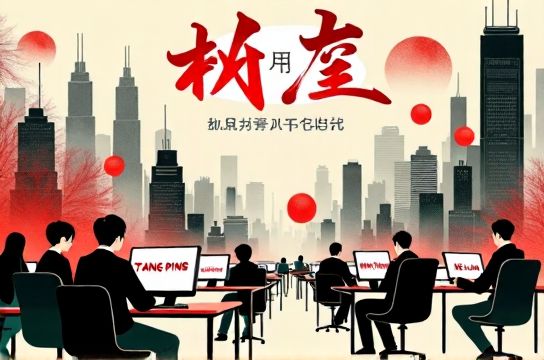
China’s digital landscape is a linguistic playground. From Weibo to Xiaohongshu, netizens use humor, irony, and coded language to comment on everything from work pressure to relationship struggles. But what do these viral terms really mean? And why should you care?
The Rise of ‘Tang Ping’ (Lying Flat)
In 2021, a post titled “I choose to lie flat” went viral on Tieba, sparking a nationwide debate. Tang Ping—literally “lying flat”—refers to rejecting society’s relentless hustle culture. Instead of chasing promotions or buying luxury goods, young people are opting out. They’re working minimal hours, avoiding marriage, and prioritizing mental peace.
Why now? Consider this: over 60% of urban white-collar workers in China report chronic stress (China Labor Watch, 2023). The 996 work culture (9 AM–9 PM, 6 days a week) has pushed many to burnout. Tang Ping isn’t laziness—it’s resistance.
| Buzzword | Literal Meaning | Social Commentary | Year Popularized |
|---|---|---|---|
| Tang Ping (躺平) | Lying Flat | Rejecting hustle culture | 2021 |
| Neijuan (内卷) | Involution | Excessive competition with no gain | 2020 |
| Dazi (打资) | Strike Capital | Anti-work sentiment | 2022 |
| Zao’an (早安) | Good Morning | Ironic greeting during overtime | 2023 |
Neijuan: The Burnout Epidemic
While Tang Ping is about opting out, Neijuan explains why people feel trapped. Translated as “involution,” it describes a system where everyone works harder but no one wins. Students study 14-hour days, employees send emails at midnight, yet salaries stagnate.
A 2022 Peking University study found that 78% of college graduates feel their efforts don’t translate into better opportunities. Neijuan isn’t just competitive—it’s pointless competition.
From Slang to Survival Strategy
These terms aren’t just jokes—they’re coping mechanisms. When real change feels impossible, language becomes rebellion. Saying “I’m lying flat” is both a sigh and a statement.
Brands have noticed. Some companies now promote “low-consumption lifestyles” in ads, while others face backlash for glorifying overwork. Even state media has weighed in, with People’s Daily criticizing extreme Neijuan—but stopping short of endorsing Tang Ping.
What This Means for You
Understanding these buzzwords isn’t just about staying culturally fluent. It’s about seeing how digital expression shapes real-world behavior. Whether you're a marketer, researcher, or curious observer, decoding China’s online lingo offers a front-row seat to a society at a crossroads.
So next time you see ‘Zao’an’ posted at 3 AM, don’t just laugh. Read between the lines. Because in China’s digital echo chamber, a simple phrase can carry the weight of a generation’s exhaustion—and hope.