
Rural China Travel Find Serenity in Traditional Farming Villages
- Date:
- Views:186
- Source:The Silk Road Echo
Looking to escape the buzz of city life? Rural China is where the real magic happens. Forget crowded subways and noisy skyscrapers—swap them for misty rice terraces, cobbled village paths, and the gentle clink of farming tools at dawn. More travelers are ditching the usual tourist traps and diving into the quiet beauty of traditional farming villages across China. And honestly? It’s about time.
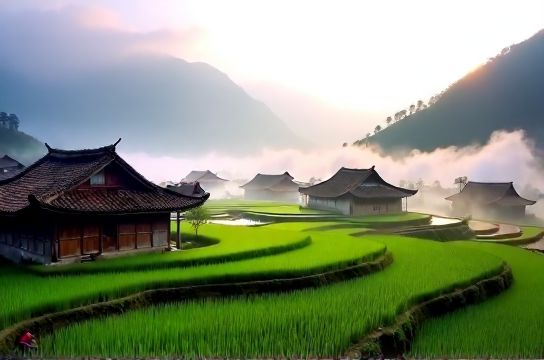
These hidden gems offer more than just scenic views—they’re living windows into centuries-old traditions, sustainable lifestyles, and warm-hearted communities. Whether you're sipping homemade tea with a local farmer or planting rice alongside villagers, rural China delivers authenticity like nowhere else.
Why Go Off the Beaten Path?
China's megacities like Beijing and Shanghai dazzle with their energy—but they don’t tell the whole story. Over 40% of China’s population still lives in rural areas, and many of these communities preserve cultural practices that date back hundreds of years.
According to China’s Ministry of Culture and Tourism, domestic 'ecotourism' trips to rural regions grew by 18% in 2023 alone. Why? People crave connection—to nature, to history, and to simpler ways of living.
Top 3 Farming Villages Worth Visiting
Not all villages are created equal. Here are three standout destinations where tradition thrives and visitors are welcomed with open arms.
| Village | Province | Known For | Best Time to Visit |
|---|---|---|---|
| Yuanyang Rice Terraces | Yunnan | UNESCO-listed梯田 (terraced fields), Hani ethnic culture | January–March (water-filled terraces) |
| Xidi & Hongcun | Anhui | Ancient Huizhou architecture, UNESCO site | April–June (mild weather, blooming scenery) |
| Zhangjiajie Minority Villages | Hunan | Tujia and Miao cultures, mountain farming | September–October (harvest season) |
Cultural Experiences You Won’t Forget
In Yuanyang, wake up before sunrise and hike to a viewing platform as golden light spills over flooded terraces—pure poetry. In Xidi, wander through 900-year-old stone lanes while learning how ink-wash painting inspired local design.
Many villages now offer homestays, where you can sleep in restored Ming- or Qing-style homes. Some even let you join daily farm work—planting, harvesting, or feeding free-range pigs. It’s not 'performative' culture; it’s real life.
Sustainable Travel Tips
- Respect local customs: Ask before photographing people or homes.
- Support the economy: Buy handmade crafts or fresh produce directly from families.
- Travel slow: Stay at least two nights to truly connect.
Rural tourism helps preserve heritage and supports farmers facing urban migration. When you visit, you’re not just seeing China—you’re helping sustain it.
So if your soul’s been craving peace, purpose, and a deeper travel experience, look no further. Rural China isn’t just a destination—it’s a return to what matters.