
China Rural Tourism Beyond the Tourist Crowds
- Date:
- Views:222
- Source:The Silk Road Echo
Think China’s only about mega-cities and the Great Wall? Think again. While millions flock to Beijing and Shanghai, a quieter revolution is happening in the countryside—where ancient villages, terraced rice fields, and warm-hearted locals are redefining what it means to travel in China.
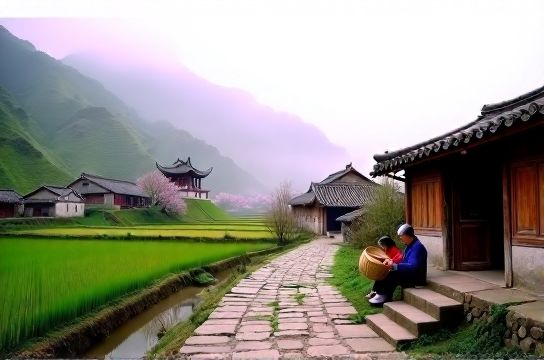
Rural tourism in China isn’t just growing—it’s booming. According to the Ministry of Culture and Tourism, over 700 million domestic trips were made to rural areas in 2023 alone, contributing nearly 1.5 trillion RMB to the economy. But this isn’t just about numbers; it’s about connection, authenticity, and escaping the hustle for something real.
Why Go Rural?
Cities dazzle, but rural China soothes. From bamboo forests in Zhejiang to cave dwellings in Shaanxi, these hidden gems offer cultural depth you won’t find on any tour bus. Plus, many villages now blend tradition with comfort—think eco-lodges with hot water and Wi-Fi (yes, really).
Travelers are ditching cookie-cutter resorts for homestays where grandma serves hand-pulled noodles at sunrise. It’s slow travel at its finest.
Top 4 Off-the-Beaten-Path Villages
Forget Fenghuang or Lijiang’s crowds. Here are four under-the-radar spots worth the detour:
- Chengkan Village, Anhui – A Ming Dynasty time capsule surrounded by lotus ponds.
- Xinhuang Dong Village, Hunan – Home to the Dong ethnic group and their legendary wind-and-rain bridges.
- Shangri-La Valley, Yunnan – Not *the* Shangri-La city, but a serene valley near Deqin with Tibetan culture in full bloom.
- Zhangjiajie’s Minor Villages, Hunan – Skip the Avatar mountains’ queues and visit Tujia communities nestled in the same stunning karst landscape.
What Makes These Places Special?
It’s not just scenery. Rural tourism thrives on cultural exchange. In Xinhuang, you can join a Dong choir singing multi-part folk songs—a UNESCO intangible heritage. In Anhui, try your hand at Huangmei opera or learn ink-making from local artisans.
And the food? Forget Sichuan spice for a sec. Try smoked pork with wild ferns in Hunan or butter tea in Tibetan villages. Each bite tells a story.
Rural Tourism Stats at a Glance
| Year | Rural Visitors (Billion) | Revenue (Trillion RMB) | Avg. Stay (Nights) |
|---|---|---|---|
| 2021 | 0.62 | 1.23 | 2.1 |
| 2022 | 0.65 | 1.31 | 2.3 |
| 2023 | 0.70 | 1.48 | 2.6 |
Notice the trend? More people are staying longer. That’s a sign of deeper engagement—not just drive-by tourism.
Tips for Travelers
- Go off-season: Spring (April) and autumn (October) offer mild weather and fewer crowds.
- Learn a few local phrases: Even basic Mandarin helps, but bonus points for dialect words like “xie xie” (thank you) in Dong or Tibetan.
- Support local: Buy handicrafts directly from artisans, not airport gift shops.
- Respect customs: Ask before photographing people, especially during rituals.
China’s rural heartland isn’t just surviving—it’s thriving. And as more travelers seek meaning over Instagram likes, these quiet corners might just become the new must-see destinations.
So next time you plan a trip to China, skip the subway chaos. Head to the hills. The real magic? It’s been there all along.