
Experience True Chinese Countryside and Village Life
- Date:
- Views:236
- Source:The Silk Road Echo
Ever dreamed of swapping city chaos for rice paddies, roosters crowing at dawn, and smiles from villagers who still remember your name? Welcome to rural China — a world where time slows down, traditions thrive, and authenticity isn’t curated for Instagram. This isn’t just travel; it’s a soul reset.
Why Go Off the Beaten Path?
While millions flock to the Great Wall or Shanghai’s skyline, fewer than 5% of international tourists explore China’s countryside (China National Tourism Administration, 2023). Yet, over 40% of China’s population lives in rural areas — that’s more people than in the entire U.S. living off the land, preserving heritage, and serving steaming bowls of hand-pulled noodles at family-run guesthouses.
Think of it as agritourism with heart. You’re not just visiting — you’re harvesting tea leaves in Yunnan, weaving batik in Guizhou, or sleeping in centuries-old earthen tulou homes in Fujian.
Top 4 Rural Destinations Worth Your Passport Stamp
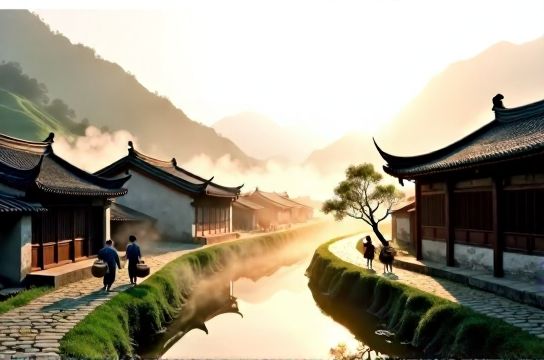
- 1. Hongcun, Anhui – A UNESCO World Heritage site shaped like an ox, with ink-wash-style architecture reflecting in moon ponds.
- 2. Yuanyang Rice Terraces, Yunnan – Carved into mountains by the Hani people over 1,300 years ago. At sunrise, they look like liquid gold.
- 3. Xidi, Anhui – Cobblestone lanes, Ming-era homes, and zero chain stores. It’s like stepping into a historical drama.
- 4. Tacheng, Yunnan – Where Tibetan, Naxi, and Bai cultures blend. Stay with a local family and learn to make yak butter tea.
What Can You Actually Do There?
Forget cookie-cutter tours. Here, you live the culture:
- Help farmers plant or harvest (seasonal: spring tea picking, autumn rice cutting)
- Cook regional dishes using market-fresh ingredients
- Learn folk crafts like paper-cutting or embroidery
- Join village festivals — think dragon dances, lunar New Year dumpling feasts, or torch parades
Real Numbers: What to Expect
Planning helps. Here’s a snapshot of costs and logistics:
| Activity | Avg. Cost (USD) | Best Time to Visit | Local Homestay Price/Night |
|---|---|---|---|
| Tea Picking in Longjing Village | $15 | March–April | $25 |
| Rice Harvest Experience, Yuanyang | $20 | September–October | $30 |
| Batik Workshop, Guizhou | $18 | May–August | $20 |
| Tibetan Homestay, Tacheng | Included | June–September | $35 |
Yes, you read that right — homestays often include meals and activities for under $35 a night.
Tips for Travelers Who Want the Real Deal
- Learn a few Mandarin phrases – “Nǐ hǎo” and “Xièxie” go a long way when Wi-Fi is spotty.
- Visit during local festivals – Timing your trip with events like the Torch Festival (Yi people) or Sisters’ Meal Festival (Miao) adds magic.
- Respect local customs – Remove shoes before entering homes, don’t point at elders, and always accept tea with both hands.
- Go cash-ready – Many villages still run on yuan notes, not QR codes.
The countryside isn’t always comfortable — roads can be bumpy, showers chilly, and English rare. But that’s the point. You’re not here for luxury. You’re here for connection.
As one traveler put it: “In Hongcun, I had dinner with a 78-year-old grandma who taught me how to fold dumplings. We didn’t speak the same language, but we laughed the whole night.”
That’s the real China. Not in guidebooks. Not in five-star hotels. In the fields, the kitchens, the quiet moments between strangers who become friends.
So pack light, open your heart, and let the rice terraces work their quiet magic. The countryside is waiting — and it remembers how to welcome you.