
Rural China Travel Full of Cultural Treasures Await
- Date:
- Views:167
- Source:The Silk Road Echo
Think China is just skyscrapers and bullet trains? Think again. Beyond the neon glow of Shanghai and the hustle of Beijing lies a quieter, richer side of China — its rural heart. Hidden in misty mountains, ancient villages whisper stories centuries old. If you're craving authenticity, culture, and jaw-dropping scenery, rural China should be at the top of your travel list.
Why Rural China?
While urban centers dazzle with modernity, rural regions offer something far more precious: tradition. Over 680,000 villages dot China’s landscape, many recognized as National Traditional Villages. These are not just pretty backdrops — they’re living museums where customs, dialects, and crafts survive against the tide of time.
Traveling through rural China means tasting hand-pulled noodles made by village grannies, sleeping in wooden stilt houses, and joining harvest festivals under starlit skies. It’s slow travel at its most soulful.
Top 4 Must-Visit Rural Destinations
- Chengyang Wind and Rain Bridge, Guangxi – A masterpiece of Dong minority architecture.
- Yuanyang Rice Terraces, Yunnan – UNESCO-nominated terraces sculpted by Hani farmers over 1,300 years.
- Xidi & Hongcun, Anhui – Ming- and Qing-era villages with lotus ponds and ink-wash beauty.
- Zhangjiajie's Remote Villages, Hunan – Less touristy than the national park, rich in Tujia culture.
Yuanyang Rice Terraces: Where Earth Meets Sky
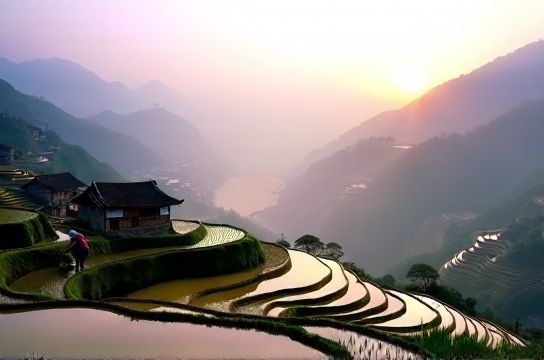
No words do justice to Yuanyang at sunrise. As golden light spills across flooded terraces, it looks like a giant mirror reflecting heaven. Locals believe the land was shaped by ancestors’ spirits — and honestly? You might too.
Here’s why Yuanyang stands out:
| Metric | Detail |
|---|---|
| Elevation Range | 1,500–2,000 meters |
| Terrace Age | Over 1,300 years |
| Farming Ethnic Group | Hani people |
| Irrigation System | Bamboo pipes & gravity-fed channels |
| UNESCO Status | Cultural Landscape (since 2013) |
The Hani don’t just farm rice — they practice a sacred balance with nature. Forests on mountaintops collect rain, which flows down to nourish the paddies. This eco-cycle has sustained life for generations.
Travel Tips for Authentic Experiences
- Go local, stay local: Skip chain hotels. Try homestays in Huizhou-style homes or Dong drum towers.
- Time it right: Visit during harvest (Sept–Oct) or Lunar New Year for vibrant festivals.
- Respect traditions: Ask before photographing villagers. Some rituals are sacred, not performances.
- Transport smart: Use local buses or hire drivers familiar with mountain roads.
Final Thoughts
Rural China isn’t just a place — it’s a feeling. The kind that sneaks up on you: sipping wild tea with a farmer, hearing a Miao folk song echo through valleys, or watching children chase water buffalo at dusk. These moments aren’t staged; they’re real, raw, and deeply human.
So ditch the crowds. Step off the beaten path. Let rural China remind you why travel still matters.