
Ethnic Minority Villages in China Cultural Treasures Unexplored
- Date:
- Views:264
- Source:The Silk Road Echo
Think China’s all about the Great Wall, pandas, and neon-lit megacities? Think again. Tucked away in misty mountains, remote valleys, and lush highlands are over 110 officially recognized ethnic minority villages—living museums of culture, tradition, and breathtaking authenticity.
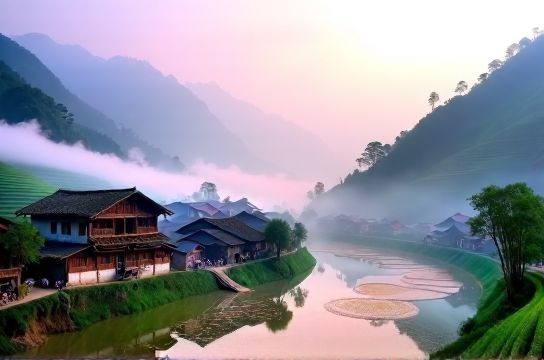
From the drum towers of the Dong people to the sky-high terraces of the Hani, these communities offer a rare glimpse into ways of life that have thrived for centuries—largely untouched by mass tourism. Let’s dive deep into why these hidden gems deserve a top spot on your travel bucket list.
Why Visit Ethnic Minority Villages?
These aren’t just scenic spots—they’re cultural time capsules. Over 120 million people in China belong to one of 55 ethnic minorities, each with distinct languages, dress, music, and customs. While Han Chinese dominate urban centers, the real soul of rural China beats strongest in places like Guizhou, Yunnan, and Guangxi.
Travelers who go beyond the guidebooks don’t just see culture—they taste it (hello, sour fish soup!), dance to ancient drum rhythms, and sleep in wooden stilt houses under star-filled skies.
Top 4 Must-Visit Ethnic Villages
- Upper Jidao (Guizhou) – Miao Heartland
The Miao people are known for silver headdresses, intricate embroidery, and soul-stirring Lusheng music. Upper Jidao, perched at 800 meters, hosts the famous 'Sisters’ Meal Festival' each spring. - Xishuangbanna (Yunnan) – Dai Water Splashing Paradise
Home to the Dai ethnic group, this tropical corner near Laos celebrates the Water Splashing Festival like nowhere else—think Thailand-level festivities, minus the crowds. - Honghe Hani Terraces (Yunnan) – UNESCO Wonder
The Hani people sculpted these rice terraces over 1,300 years ago. The view at sunrise? Pure magic. Villages like Duoyishu and Bada are gateways to this living agricultural masterpiece. - Zuojiang Huashan Rock Art Area (Guangxi) – Zhuang Heritage
While not a village per se, nearby Zhuang communities keep ancient traditions alive around this UNESCO-listed cliff art site dating back 2,500 years.
Cultural Insights & Travel Stats
Curious how many visitors actually make it to these places? Here’s a snapshot:
| Village / Region | Ethnic Group | Avg. Annual Visitors (2023) | UNESCO Listed? |
|---|---|---|---|
| Upper Jidao, Guizhou | Miao | ~45,000 | No |
| Honghe Hani Terraces | Hani | ~320,000 | Yes (2013) |
| Xishuangbanna | Dai | ~1.2 million | No |
| Zuojiang Rock Art Zone | Zhuang | ~90,000 | Yes (2016) |
Notice something? Even the most popular sites get less than 10% of the foot traffic of the Forbidden City (~15 million/year). That means space to breathe, connect, and experience culture without the selfie sticks.
Tips for Responsible Travel
- Ask before photographing—many rituals are sacred.
- Stay in homestays—support local families directly.
- Learn a few phrases—a simple 'Xièxie' (thank you) goes far.
- Visit during festivals—timing your trip right = front-row seats to living culture.
These villages aren’t just destinations—they’re invitations to slow down, listen, and remember what travel is really about.