
Explore China's Lesser Known Ethnic Minority Villages Off Grid
- Date:
- Views:194
- Source:The Silk Road Echo
Think China is just about Beijing’s Forbidden City and Shanghai’s skyscrapers? Think again. Beyond the neon lights and ancient capitals lie hidden gems — remote ethnic minority villages where time moves slower, traditions run deep, and authenticity reigns supreme. These off-grid communities offer a rare glimpse into cultures that have thrived for centuries, untouched by mass tourism.
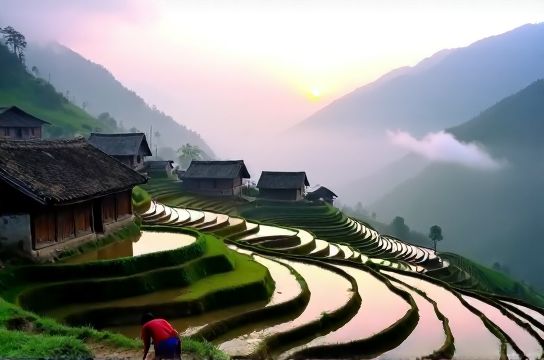
From misty mountain hamlets to bamboo stilt houses nestled in jungle valleys, exploring these villages isn’t just travel — it’s transformation. Let’s dive into some of the most captivating yet underrated spots across Yunnan, Guizhou, and Guangxi provinces.
Why Go Off the Beaten Path?
While over 60 million tourists visit China annually, fewer than 5% venture into its ethnic heartlands. That means you’ll experience genuine hospitality, unfiltered customs, and landscapes so pristine they look Photoshopped (but aren’t).
China officially recognizes 56 ethnic groups. Han Chinese make up over 90%, but the remaining 55 minorities contribute immensely to the country’s cultural tapestry. Many live in autonomous regions with unique languages, clothing, festivals, and architecture.
Top 3 Hidden Ethnic Villages You Should Visit
1. Bajiao Dong, Hunan – Home of the Tujia People
Nestled in Wuling Mountains, this village is famous for its ‘hanging houses’ built on stilts over cliffs. The Tujia people perform the hand-waving dance, a ritual dating back to the Ming Dynasty. With only around 200 annual foreign visitors, solitude comes standard.
2. Zhaojue County, Sichuan – Heartland of the Yi Tribe
This rugged region hosts the Yi people, known for their intricate silver jewelry and vibrant Nuosu language. During the Torch Festival (every July), thousands light up the night with fire dances — a sight few outsiders ever witness.
3. Yuanyang Rice Terraces, Yunnan – Hani & Zhuang Cultures
More than just a UNESCO World Heritage Site, this area is alive with Hani and Zhuang farming communities. Their 1,300-year-old terrace system channels water like nature’s plumbing. Sunrise here paints the fields in molten gold — pure magic.
| Village | Ethnic Group | Province | Best Time to Visit |
|---|---|---|---|
| Bajiao Dong | Tujia | Hunan | April–June |
| Zhaojue County | Yi | Sichuan | July (Torch Festival) |
| Yuanyang | Hani/Zhuang | Yunnan | December–March |
Tips for Responsible Exploration
- Ask before photographing – Respect privacy and sacred spaces.
- Support local economies – Buy handmade crafts directly from artisans.
- Learn basic phrases – Even “hello” in the local dialect builds bridges.
Traveling to these villages isn’t just about seeing something new — it’s about feeling connected to humanity’s rich diversity. So swap the city buzz for mountain echoes, and let China’s soul speak to yours.