
Discover Authentic Rural China Travel Experiences Today
- Date:
- Views:177
- Source:The Silk Road Echo
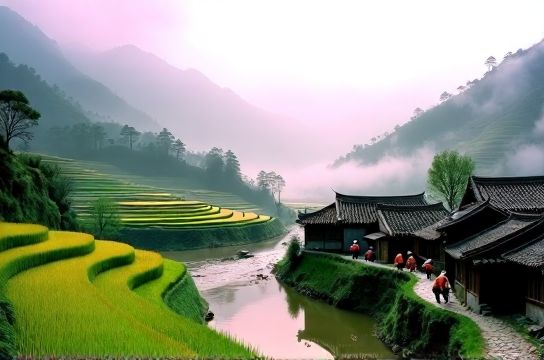
Want to escape the neon lights and selfie sticks? Skip the tourist traps and dive into the real China—where rice terraces climb misty hills, grandmas still weave indigo cloth by hand, and village festivals feel like stepping back in time. Welcome to rural China, where authenticity isn’t a marketing gimmick—it’s everyday life.
Why Rural China?
While cities like Beijing and Shanghai dazzle with skyscrapers and bullet trains, the soul of China pulses strongest in its countryside. Over 43% of China’s population still lives in rural areas (World Bank, 2023), preserving centuries-old traditions, dialects, and culinary secrets. And thanks to improved infrastructure, getting there has never been easier—or more rewarding.
Top 5 Hidden Gems You Can’t Miss
- Longji Rice Terraces (Guangxi): Carved into mountains over 650 years ago, these emerald steps glow golden at harvest. Pro tip: Visit in late September for photo ops that’ll break Instagram.
- Chengkan Village (Anhui): A Ming Dynasty time capsule with ink-wash aesthetics. Think stone bridges, lotus ponds, and zero souvenir shops.
- Xinjiang's Kazakh Yurts: Ride horses across grasslands and sleep under stars in traditional felt tents. The nomadic lifestyle is alive—and welcoming.
- Taoping Qiang Village (Sichuan): Five-story stone碉楼 (watchtowers) built 2,000 years ago. Locals still speak Qiang and celebrate ancient sky rituals.
- Dai Villages in Xishuangbanna: Sweltering jungles, elephant treks, and pineapple-stuffed sticky rice. It feels less like China, more like Southeast Asia.
Travel Tips That Actually Help
Rural travel isn’t always comfy—but that’s the point. Here’s how to do it right:
- Learn 3 phrases in Mandarin or local dialect: “Nǐ hǎo” (hello), “Xièxie” (thank you), and “Zěnme qù…” (how to get to…). Locals light up when you try.
- Carry cash: WeChat Pay hasn’t reached every goat path. Small bills work best.
- Stay in homestays: Platforms like Xiaozhu offer family-run guesthouses from ¥80–150/night. Breakfast often includes homegrown tofu and chili paste.
- Visit during local festivals: Dragon Boat races, Torch Festivals, or even pig-slaughtering season—yes, really—offer unmatched cultural access.
When to Go? Check This Quick Guide
| Destination | Best Season | Highlight | Avg. Temp (°C) |
|---|---|---|---|
| Longji Terraces | Spring & Autumn | Flooded terraces / Harvest | 12–22°C |
| Chengkan | Spring | Plum blossoms in bloom | 10–18°C |
| Xishuangbanna | Nov–Feb | Dry season, cooler temps | 18–26°C |
| Xinjiang Grasslands | June–August | Lush pastures, horse races | 15–25°C |
| Taoping Qiang Village | Autumn | Fall colors & harvest festivals | 8–16°C |
The Bigger Picture
Traveling rural China isn’t just about pretty views—it’s ethical tourism at its finest. By choosing villages over malls, you support local economies and help preserve endangered cultures. According to UNESCO, over 30 traditional Chinese village styles are at risk of vanishing by 2040. Your visit keeps them alive.
So ditch the guidebook clichés. Pack light, stay curious, and let a grandmother in a conical hat show you how to make pickled mustard greens. That’s the China most people never see—but everyone should.