
Document Vanishing Traditions in Western Hunan
- Date:
- Views:256
- Source:The Silk Road Echo
If you're craving a travel experience that goes beyond scenic views and Instagrammable spots, head to western Hunan. This rugged, mountain-wrapped region of China is a living museum of ethnic culture, where centuries-old traditions are quietly fading. From Miao drum dances to Tujia embroidery, these customs are more than folklore—they’re lifelines to identity. But time is running out. In this guide, we’ll explore how to ethically document these vanishing traditions while supporting local communities.
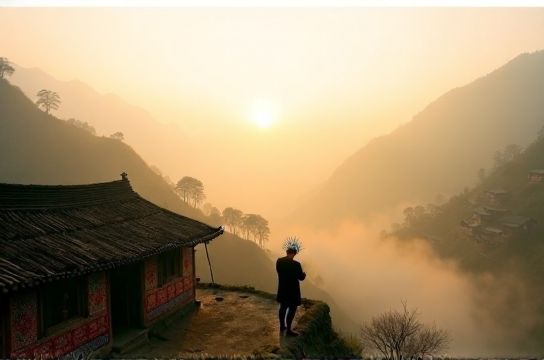
Why Western Hunan?
Nestled between Guizhou and Hubei, western Hunan is home to over 80% ethnic minorities—mostly Miao and Tujia people. Unlike the commercialized old towns of Fenghuang, remote villages like Shibadong and Dehang remain under the tourist radar. According to UNESCO, over 30 intangible cultural heritages from Hunan are at risk of extinction due to urbanization and youth migration.
But here’s the silver lining: responsible travelers can play a vital role in preservation. By documenting rituals, oral histories, and crafts with respect and consent, you become part of the solution—not just a spectator.
Top Traditions Worth Capturing
Here’s a snapshot of key cultural practices still alive in the region:
| Tradition | Ethnic Group | Location | Status |
|---|---|---|---|
| Miao Flying Songs (Feige) | Miao | Shibadong Village | Vulnerable |
| Tujia Hand-Waving Dance | Tujia | Yongshun County | Critically Endangered |
| Silver Jewelry Crafting | Miao | Jishou & Fenghuang | Endangered |
| Bamboo Weaving Rituals | Tujia | Longshan County | Vulnerable |
How to Document Responsibly
First rule? Always ask permission. Many elders see photography as intrusive unless explained properly. Offer small gifts—tea or snacks—and build trust before pulling out your camera.
- Audio Interviews: Record elders sharing folk tales. Use a portable recorder and translate later with local help.
- Photo Essays: Focus on storytelling—capture hands weaving, feet dancing, faces singing. Avoid staged shots.
- Video Logs: Short clips of drum circles or wedding processions can be shared with cultural NGOs for archival purposes.
Pro tip: Partner with local guides from community tourism programs. They often speak dialects and can facilitate introductions.
Support Preservation Efforts
Your visit can do more than capture memories—it can fund futures. Several cooperatives now offer craft workshops where proceeds go directly to artisans. For example, a 2-hour silver forging class in Jishou ($15) supports three generations of a Miao family.
Also consider donating to Hunan Intangible Heritage Foundation, which trains youth in traditional skills. Even $10 helps digitize endangered songs.
Final Thoughts
Western Hunan isn’t just a destination—it’s a call to action. As globalization sweeps through rural China, these traditions hang by a thread. But with thoughtful documentation and genuine engagement, travelers can help weave them into the future. So pack your gear, respect the culture, and let your lens tell stories that might otherwise vanish.