
Hiking in Eastern Tibet Trails Few Have Walked On
- Date:
- Views:210
- Source:The Silk Road Echo
If you're craving raw, untamed beauty far from selfie sticks and tour buses, Eastern Tibet is your next adventure. Think emerald valleys, snow-capped giants, and trails that whisper ancient secrets. This isn’t the Lhasa postcard scene—it’s wilder, deeper, and soul-stirring.
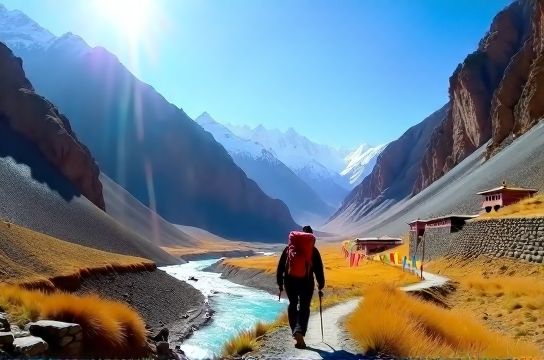
Nestled between Sichuan and central Tibet, this region—often called Kham—is a hiker’s dream stitched with Tibetan culture and jaw-dropping landscapes. And guess what? Most travelers haven’t even heard of these trails. Let’s dive into why Eastern Tibet should be on your bucket list.
Why Hike Eastern Tibet?
Forget crowded paths. Here, you’ll share trails with yaks and prayer flags flapping in the wind. The air? Crisp, thin, and pure. Altitudes range from 3,000 to 5,000 meters, so yes, acclimatization matters. But the payoff? Unfiltered nature and cultural authenticity you won’t find anywhere else.
Local communities still live much as they have for centuries—herding, farming, and honoring Buddhist traditions. You’re not just passing through; you’re stepping into a living tapestry.
Top 3 Hidden Trails
- Milarepa Cave Trek (Nyainqêntanglha Range): A spiritual journey. Named after the legendary yogi Milarepa, this moderate 3-day hike leads to meditation caves tucked in rocky cliffs. Expect panoramic views and silence so deep it echoes.
- Markam Valley Loop: Lush, green, and less traveled. This 4-day route winds through rhododendron forests, barley fields, and remote villages. Perfect for photographers and culture lovers.
- Chamdo to Riwoqê Ancient Path: For seasoned hikers. This 7-day trek follows an old trade route with altitudes hitting 4,800m. Yaks, nomads, and star-filled skies included.
What to Expect: Quick Stats
| Trek | Duration | Difficulty | Best Season | Max Altitude (m) |
|---|---|---|---|---|
| Milarepa Cave Trek | 3 days | Moderate | May–October | 4,600 |
| Markam Valley Loop | 4 days | Easy–Moderate | June–September | 4,200 |
| Chamdo–Riwoqê Path | 7 days | Challenging | July–September | 4,800 |
Pro tip: Bring layers! Weather shifts fast. Mornings might be sunny; afternoons bring hail. Also, pack high-SPF sunscreen—UV rays up here are no joke.
Culture Meets Adventure
You’ll pass chortens, spin prayer wheels, and maybe join locals for butter tea. Respect is key. Ask before photographing people, dress modestly, and keep noise low near monasteries.
And food? Think yak meat dumplings (momos), tsampa (roasted barley flour), and salty Tibetan tea. Simple, hearty, and fuel for the trail.
How to Get There & Permits
Flying into Chengdu or Kunming is easiest. From there, take a bus or hire a 4x4 to gateway towns like Nyingchi or Chamdo. Permits are required—Tibet Travel Permit plus possibly an Alien’s Travel Permit. Work with a local agency; they’ll handle paperwork while you focus on training those legs.
Final Thoughts
Hiking in Eastern Tibet isn’t just about steps taken—it’s about moments felt. The silence at dawn. The smile from a herder kid. The mountains standing guard like timeless sentinels. If you want adventure with soul, this is it.
So lace up, breathe deep, and go where few have walked. Eastern Tibet is waiting.