
Walking the Old Tea Horse Road in Yunnan Today
- Date:
- Views:231
- Source:The Silk Road Echo
Ever dreamed of stepping into a real-life adventure where ancient trails whisper stories of muleteers, tea traders, and highland winds? Welcome to the Old Tea Horse Road in Yunnan — a legendary network of trade routes that once connected China’s tea heartlands to Tibet and beyond. And guess what? You can still walk it today.
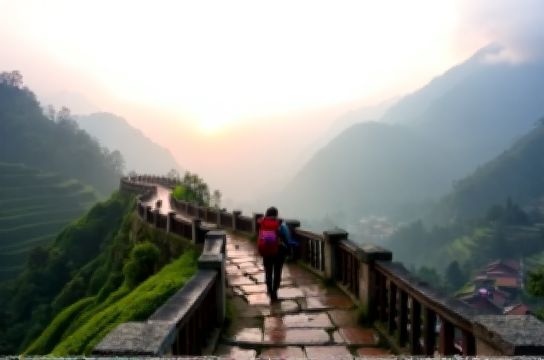
This isn’t just hiking. It’s time travel on foot.
Why the Tea Horse Road Still Matters
For over a thousand years, the Tea Horse Road (Chamagudao) was Asia’s hidden Silk Road. While silk got the spotlight, tea fueled empires. In Yunnan, Pu'er tea was compressed into bricks, loaded onto mule trains, and carried across mountains, rivers, and bandit-infested passes. From the Tang Dynasty (618–907 AD) to the mid-20th century, this route moved more than goods — it exchanged cultures, religions, and ideas.
Today, parts of the trail are preserved in Yunnan’s lush hills and remote villages. Walking it means tracing the footsteps of history while soaking in jaw-dropping scenery.
Top Sections to Hike in Modern Yunnan
You don’t need to trek 4,000 km (the full length from Yunnan to Lhasa). Instead, focus on these accessible, scenic, and historically rich segments:
| Trail Section | Distance | Difficulty | Best Time to Visit | Cultural Highlights |
|---|---|---|---|---|
| Nanhua to Ailang | 15 km | Easy-Moderate | March–May, Sept–Nov | Yi minority villages, stone-paved paths |
| Dali to Shaxi | 30 km (multi-day) | Moderate | April–October | Ancient market town, Bai architecture |
| Shigu to Tiger Leaping Gorge | 25 km | Challenging | May–June, Sept–Oct | Naxi culture, Yangtze River views |
What to Expect on the Trail
The vibe? Rustic, real, and refreshingly unplugged. Most trails wind through terraced farms, pine forests, and quiet hamlets where time moves slow. Stone steps worn smooth by centuries of hooves are still intact in many areas.
You’ll pass old tea houses turned guesthouses, hear Naxi folk songs drift from courtyards, and maybe even spot a caravan of mules — yes, some locals still use them!
Pro Tips for Your Journey
- Go local: Hire a guide from a nearby village. Their stories bring the stones and streams to life.
- Pack smart: Weather changes fast. Layers, rain gear, and broken-in boots are non-negotiable.
- Respect traditions: Ask before photographing people. Many communities are welcoming but value privacy.
- Sip authentically: Try aged Pu’er tea at a family-run stall — it’s part of the journey.
Final Thoughts: More Than Just a Hike
Walking the Tea Horse Road today isn’t about conquering peaks — it’s about connection. To history. To nature. To people whose lives still echo the rhythm of the trail.
So lace up, leave the noise behind, and let Yunnan’s ancient path lead you somewhere deeper. After all, the best journeys aren’t measured in kilometers — they’re measured in moments that take your breath away.