
Hakka Villages of Jiangxi Strong Roots in Red Earth
- Date:
- Views:264
- Source:The Silk Road Echo
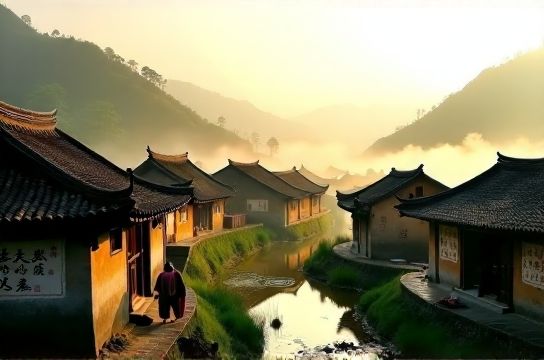
Ever wondered what it feels like to step into a living history book? Welcome to the Hakka villages of Jiangxi, where ancient traditions, red soil, and resilient culture grow side by side like rice in terraced fields. Nestled in China’s southeastern highlands, these villages aren’t just picturesque—they’re powerful testaments to survival, unity, and identity.
The Heartbeat of Hakka Culture
The Hakka people—literally “guest families”—have wandered for centuries, but in Jiangxi, they planted roots deep in the red earth. Unlike typical Chinese clans, the Hakka are known for their matriarchal leanings, strong communal values, and fortress-like homes called tulou. But here’s the twist: while Fujian gets the tulou spotlight, Jiangxi’s versions are quieter, rawer, and often more authentic.
Take Ganxian District near Ganzhou—home to over 300 traditional Hakka settlements. These villages don’t just survive on nostalgia; they thrive through agriculture, tourism, and intergenerational storytelling. Locals still ferment tofu in stone crocks and sing mountain ballads that echo through misty hills.
Why Jiangxi’s Hakka Villages Stand Out
While other regions commercialize heritage, Jiangxi keeps it real. Here’s why:
- Architecture with Purpose: Thick earthen walls, shared courtyards, and defensive designs reflect centuries of migration and conflict.
- Cultural Continuity: Over 70% of elders in rural Hakka communities still speak the Hakka dialect daily (source: Jiangxi Ethnographic Survey, 2022).
- Natural Harmony: Villages blend into karst landscapes, using local materials and sustainable farming.
Must-Visit Villages & Key Stats
Not all Hakka villages are created equal. Here’s a quick guide to the standouts:
| Village | Location | Population | Key Feature | Best Time to Visit |
|---|---|---|---|---|
| Baisha | Ganxian, Ganzhou | ~850 | Ancient ancestral hall (18th century) | Spring Festival |
| Xiajing | Yudu County | ~1,200 | Revived Hakka opera troupe | Autumn Harvest |
| Chitian | Ruijin City | ~600 | Red Army history + Hakka fusion | May–June |
Experiences You Can’t Miss
Forget cookie-cutter tours. In Jiangxi’s Hakka villages, you live the culture:
- Stay in a Tulou Homestay: Wake up to rooster calls and hand-pounded rice cakes.
- Join a Hakka Wedding Reenactment: Yes, you can be part of the procession!
- Cook with Grandma: Learn to make leichi (thunder tea) and stuffed bitter melon.
And if you think the food is simple, think again. Hakka cuisine balances saltiness, fragrance, and soul. Dishes like mei cai kou rou (braised pork with preserved vegetables) have earned UNESCO recognition as intangible cultural heritage elements.
Travel Tips Like a Local
Want to go beyond the brochure? Here’s how:
- Transport: Take the high-speed rail to Ganzhou, then local buses to village hubs.
- Language: Mandarin works, but saying “Ngai haak gai” (I am Hakka) earns instant smiles.
- Eco Etiquette: These villages are fragile. Avoid loud behavior and single-use plastics.
The Hakka didn’t just survive displacement—they turned hardship into heritage. In Jiangxi, that legacy isn’t frozen in time; it breathes, cooks, dances, and welcomes you.
So next time you crave travel with depth, skip the crowds. Head to the red earth. Listen to the wind in the bamboo. And let the Hakka villages remind you what roots really mean.