
Ethnic Minority Villages Authentic Cultural Encounters
- Date:
- Views:240
- Source:The Silk Road Echo
Ever traded city lights for starry skies and swapped Wi-Fi signals for village whispers? If you're craving real, raw cultural vibes, ethnic minority villages are where it's at. These hidden gems across regions like Southwest China, Northern Thailand, and the highlands of Vietnam offer more than just scenic views—they serve up soul-stirring experiences steeped in centuries-old traditions.
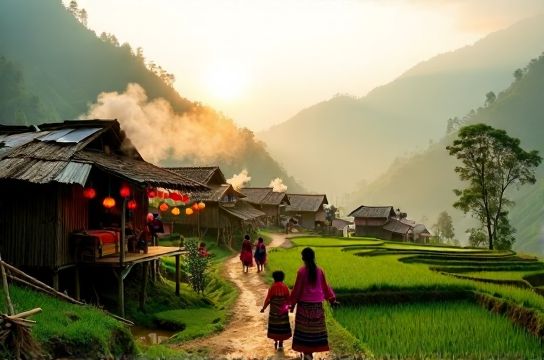
Take China’s Yunnan Province, home to over 25 recognized ethnic groups. The Dai people celebrate Water Splashing Festival each April with joyous abandon—imagine streets transformed into splash zones, laughter echoing through bamboo groves. Meanwhile, the Hani terraces in Honghe aren’t just UNESCO World Heritage sites; they’re living testaments to sustainable farming, sculpted into mountains over 1,300 years ago.
Curious about numbers? Check this out:
| Ethnic Group | Region | Population (approx.) | Notable Tradition |
|---|---|---|---|
| Zhuang | Guangxi, China | 18 million | Song Festival (March 3rd) |
| Dai | Xishuangbanna, China | 1.3 million | Water Splashing Festival |
| Hmong | Northern Vietnam | 6 million (global) | New Year Celebrations, Embroidery |
| Akha | Northern Thailand | 400,000 | Headgear Rituals |
But here’s the tea: visiting these villages isn’t just about snapping Instagram-worthy shots (though trust us, the photo ops are unreal). It’s about connection. In a Miao village in Guizhou, elders might invite you to sip homemade rice wine while recounting legends passed down orally for generations. In Laos, the Khmu people teach visitors how to weave intricate patterns using natural dyes—each thread tells a story.
And let’s talk sustainability. Responsible tourism is key. Many communities now run homestays managed by locals. In Yangshuo, Guangxi, Zhuang families open their homes, serving dishes like sticky rice in bamboo and pickled fish—flavors you won’t find in any urban restaurant. Plus, your stay directly supports education and preservation efforts.
Pro tip: Visit during local festivals. Timing your trip around events like the Miao Sister’s Meal Festival or the Tibetan Butter Lamp Festival means front-row seats to music, dance, and rituals that pulse with meaning. Just remember: respect local customs. Dress modestly, ask before photographing people, and learn a few basic greetings in the native language—it goes a long way.
These villages aren’t stuck in the past—they’re dynamically preserving identity in a fast-changing world. Whether you’re hiking through misty hills to a remote Yao village or bartering for hand-embroidered textiles in a hill tribe market, you’re not just traveling—you’re witnessing culture in motion.
So pack light, tread gently, and come ready to listen. Because the most unforgettable journeys aren’t measured in miles, but in moments that leave your spirit fuller.