
Tibetan Villages Off the Tourist Track in Sichuan
- Date:
- Views:206
- Source:The Silk Road Echo
If you're craving raw, unfiltered Tibetan culture without the selfie sticks and souvenir stalls, western Sichuan is your golden ticket. Tucked between snow-draped peaks and emerald valleys, these hidden villages offer a soul-stirring escape from modern chaos. Think prayer flags fluttering like whispered mantras, yak butter tea simmering over open fires, and locals whose smiles carry centuries of mountain wisdom.
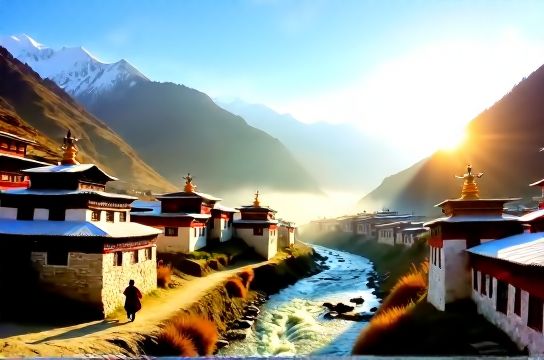
Forget Lhasa’s crowds—places like Zhonglu Village in Danba County and Yading’s remote hamlets near Daocheng deliver authenticity on another level. These aren’t just scenic spots; they’re living testaments to Tibetan resilience and spirituality.
Let’s talk numbers: over 1.4 million ethnic Tibetans live in Sichuan, making it home to the largest Tibetan population outside Tibet itself. And yet, many of these villages see fewer than 500 tourists a year. That’s not a typo. In Zhonglu, for example, tourism revenue per household remains under $800 annually—proof that mass tourism hasn’t hijacked daily life here.
Here’s a snapshot of what makes these places special:
| Village | Altitude (m) | Annual Visitors | Key Cultural Feature | h>
|---|---|---|---|
| Zhonglu, Danba | 2,900 | ~300 | Ancient watchtowers & Tibetan stone houses |
| Xinduqiao Area Hamlets | 3,300 | ~700 | Pilgrimage routes & nomadic herder culture |
| Yangliu Ping, Litang | 3,900 | ~200 | Home of the world-famous Litang Horse Festival |
Getting there? That’s part of the adventure. While Xinduqiao is reachable by bus from Chengdu (~6 hours), Yangliu Ping requires a rugged 2-hour drive on winding mountain roads. But trust me, every bump is worth it when you’re sipping warm barley wine in a family-run guesthouse as monks chant in the distance.
Cultural etiquette tip: Always walk clockwise around stupas and never point your feet at altars. And if you’re invited into a home? Accept—it’s a rare honor. Most families speak limited Mandarin, so a few Tibetan phrases go a long way. "Tashi Delek" means hello and blessings—drop it early, and you’ll win hearts fast.
Best time to visit? May to October. June brings blooming alpine flowers; September offers clear skies and harvest festivals. Winter’s stunning but brutal—many villages become inaccessible after November.
These villages aren’t just off the tourist track—they’re off the radar. Visiting them isn’t just travel; it’s a quiet act of cultural preservation. So pack light, tread gently, and let the mountains rewrite your definition of peace.