
Experience Traditional Life in China Minority Communities
- Date:
- Views:244
- Source:The Silk Road Echo
Ever dreamed of stepping into a world where time slows down, colors explode, and ancient traditions still pulse with life? Welcome to the hidden heart of China — its vibrant minority communities. Far from the skyscrapers of Shanghai or the hustle of Beijing, over 120 officially recognized ethnic groups preserve unique customs, languages, and festivals that paint a breathtaking cultural mosaic.
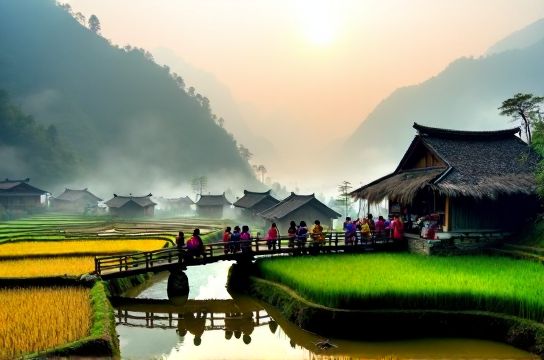
From the drum towers of the Dong people in Guizhou to the sky-high yurts of the Kazakhs in Xinjiang, these communities offer immersive experiences you won’t find anywhere else. Think handwoven batik, throat-singing nomads, and rice terraces carved by generations. Let’s dive deep into how you can respectfully engage with these cultures — and why you absolutely should.
Why Visit China’s Ethnic Minority Regions?
China’s Han majority makes up about 92% of the population, but the remaining 8% tells a far richer story. These minority groups occupy some of the country’s most stunning landscapes — misty mountains, grassy steppes, and lush valleys — while maintaining centuries-old ways of life.
According to China’s National Bureau of Statistics, regions like Yunnan, Guangxi, Guizhou, and Sichuan are home to over 70% of the country’s ethnic minorities. Tourism here isn’t just sightseeing — it’s cultural exchange.
Top 4 Minority Experiences You Can’t Miss
- Stay with the Dong People (Guizhou): Sleep in wooden stilt houses, listen to the legendary Dong Grand Choir (a UNESCO Intangible Heritage), and walk through wind-and-rain bridges older than your great-grandparents.
- Festival Hop with the Dai (Yunnan): Time your trip with the Water-Splashing Festival in April. Locals douse each other in blessing, dance under paper lanterns, and launch floating flowers down rivers. It’s like Songkran with extra soul.
- Ride with the Kazakh Herders (Xinjiang): Join seasonal migrations across the Tian Shan mountains. Help herd sheep, sip fermented mare’s milk (kumis), and spend nights under stars so bright they feel fake.
- Learn Batik from the Miao (Guizhou/Yunnan): Try your hand at wax-resist dyeing using tools passed down for generations. Spoiler: It’s harder than it looks.
Cultural Hotspots at a Glance
| Community | Region | Population* | Signature Tradition |
|---|---|---|---|
| Miao | Guizhou, Yunnan | ~11 million | Batik, Silver Jewelry Festivals |
| Dai | Xishuangbanna, Yunnan | ~1.3 million | Water-Splashing Festival, Theravada Buddhism |
| Dong | Guizhou, Hunan | ~3 million | Drum Towers, Polyphonic Singing |
| Kazakh | Xinjiang | ~1.5 million | Horsemanship, Eagle Hunting, Nomadic Life |
*Approximate figures based on 2020 Chinese census data.
Tips for Respectful Travel
- Ask before photographing — especially during rituals.
- Learn a few local phrases. Even “hello” in the native tongue goes a long way.
- Support community-run homestays — your money stays local.
- Avoid cultural appropriation — wearing sacred garments as costumes? Big no-no.
These aren’t theme parks — they’re living, breathing cultures. Treat them with care, and you’ll leave with stories, not just souvenirs.
So, ready to trade Wi-Fi for wisdom? Pack light, stay curious, and let China’s ethnic soul surprise you. This isn’t just travel — it’s transformation.